

If you’re someone who loves to experiment with natural remedies, getting Glowing Skin using DIY methods is totally doable and super satisfying. There’s something really rewarding about mixing up your own face masks, toners, and serums from things you probably already have at home. Whether you’re looking to boost your glow, calm irritation, or just want a self-care night, going the natural route works across all skin types and keeps things simple and gentle.
This guide covers my favorite DIY glowing skin remedies, popular natural ingredients, easy recipes, and tips on getting that soft healthy look without making things complicated. If you’re new to DIY skincare, you’ll find plenty here to get started, and if you’re already dabbling, there might be a trick or two worth adding to your routine. Let’s jump into the world of simple, glowing skin with what you have at hand!
Choose Simple, Natural Ingredients for Glowing Skin
Choosing the right base ingredients is really important for DIY skincare. The goal is to pick things that are gentle, effective, and safe. Here are some everyday ingredients I use regularly because they have great skin benefits and tend to be well tolerated, even on sensitive skin:
- Honey: Moisturizing and has soothing and antibacterial properties.
- Turmeric: Brightens skin and gives a natural glow. Use just a little, since it can stain.
- Milk/Yogurt: Contains lactic acid, which gently exfoliates and hydrates.
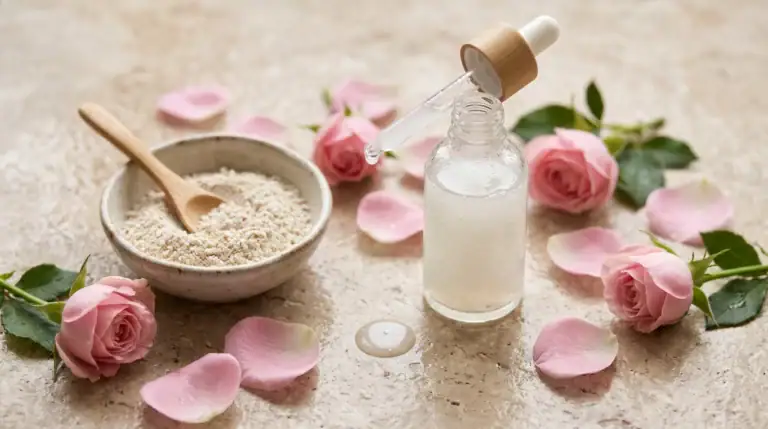
- Rose Water: Refreshes and calms, reduces redness, and keeps skin soft.
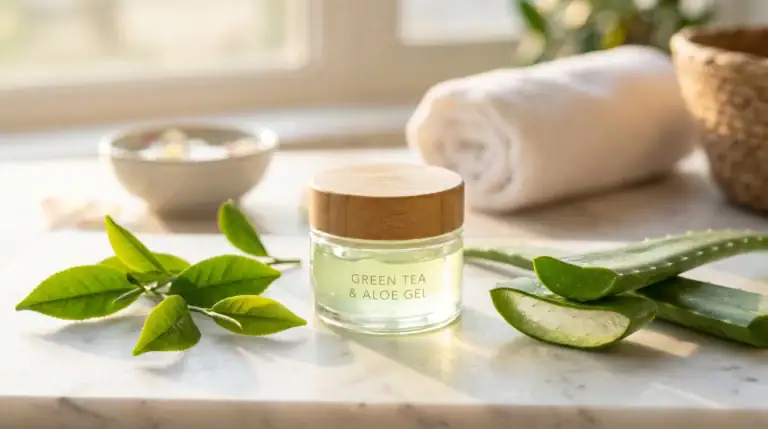
- Aloe Vera: Cools, soothes, and hydrates inflamed or tired skin.
- Neem & Tulsi (Holy Basil): Both have antibacterial and anti-inflammatory qualities.
- Fuller’s Earth (Multani Mitti): Great for soaking up oil and clearing pores.
- Cucumber: Hydrates and cools, reduces puffiness.
- Lemon: Brightens but should always be diluted as it’s acidic.
- Saffron: A traditional favorite for radiance.
- Green Tea: Packed with antioxidants for fresh, balanced skin.
- Mint: Leaves a cooling, refreshed feel.
Always patch test new ingredients, just in case. Even natural stuff can cause irritation for some people. Adding a patch test to your DIY routine means fewer surprises, especially if you have sensitive skin or allergies you know about. Also, when trying a new recipe, start with the smallest effective amount before mixing up a full batch.
DIY Face Masks and Packs for Natural Glow
Mixing your own face mask doesn’t take much time, and you get results that feel like a spa treatment. Here are a few recipes I make all the time and that can help with different skin needs:
- Turmeric & Honey Face Mask
Mix 1 teaspoon turmeric, 1 tablespoon honey, and a splash of milk or yogurt. Spread a thin layer over your face. Leave for 10 to 15 minutes, then rinse well. This mask helps brighten your skin while fighting any redness or small breakouts. - Aloe Vera & Rose Water Gel
Mix 1 tablespoon pure aloe gel with 1 tablespoon rose water. Apply and leave on as a hydrating leave-in treatment, or rinse after 20 minutes for softer, soothed skin. - Neem & Tulsi Anti-Pimple Pack
Blend 1 teaspoon neem powder, 1 teaspoon tulsi powder, and enough rose water to make a paste. Apply to clean skin for 15 minutes, then wash off to keep blemishes at bay. - Multani Mitti & Rose Petal Pack
Combine 1 tablespoon Multani Mitti (Fuller’s Earth), 1 tablespoon ground dried rose petals, and enough rose water to make a paste. Use on oily or combination skin for 15 minutes for a deep clean and fresh glow. - Cucumber & Mint Cooling Mask
Blend fresh cucumber slices and a handful of mint leaves until smooth. Apply for 15 minutes for an instant cooling and de-puffing boost.
Experimenting with these basic recipes will let you figure out what your skin likes best. Remember, if you want thicker or thinner masks, adjust the liquid or the dry ingredients until you get just the right texture for your comfort.
Natural Toners & Serums for Everyday Use
After cleansing, using a homemade toner or serum can give your skin a lasting glow and extra hydration without chemicals or additives. Here are two simple favorites to try:
- Green Tea & Lemon Toner
Steep 1 green tea bag, cool, and add a few drops of lemon juice. Swipe over skin with a cotton pad to refresh, hydrate, and lightly brighten. Store in the fridge for extra cooling. - Saffron & Milk Glow Serum
Soak a few strands of saffron in 2 tablespoons warm milk for 15 minutes. Let it cool, then dab onto your face with clean fingers. Saffron brings out a soft, healthy radiance, and milk gently nourishes the skin. Wash off after 10 minutes or leave overnight if your skin feels safe with dairy.
If your skin is extra sensitive, skip the lemon or let saffron steep longer for more color. Homemade toners and serums don’t have preservatives, so always keep small batches in the fridge and use them up within a few days for the best freshness and results.
How to Build a DIY Skincare Routine
Sticking with simple, consistent habits is what really delivers results. Here’s a routine I’ve found works for most people and can be adjusted depending on your skin’s needs or seasons:
Step-by-Step DIY Skincare Routine
- Gentle Cleanser: Start with a honey and yogurt or milk mixture to remove grime and hydrate.
- Toner: Use a green tea & lemon or rose water mist to prep your skin for more moisture.
- Treatment Mask (2 to 3 times a week): Pick the mask that matches what your skin needs that day.
- Serum or Gel: Use aloe vera and rose water gel in the morning, saffron and milk serum at night.
- Moisturizer: Lock in hydration with aloe vera or a few drops of almond oil if your skin is on the drier side.
- Sunscreen: If you’re going outside, always finish with an SPF. Store bought is recommended since natural SPFs can be unreliable.
Customize your routine based on weather, your skin’s mood, and any sensitivity you feel. You might game plan around stressful weeks, more sun exposure, or changes in your diet for extra protection and glow.
Tips for Getting the Best Results With DIY Remedies
- Be consistent; regular use, two or three times a week, gives better and longer lasting results compared to overdoing it every day.
- Patch test new mixtures; always check unfamiliar combos on a small patch of skin, especially with potent ingredients like lemon or essential oils.
- Store ingredients properly; keep powders sealed, and refrigerate fresh mixes like toners or gels to make them last longer and add a cooling effect.
- Stay hydrated and eat well; glowing skin really does start from the inside. Water, fruits, and healthy fats go a long way to maintaining a natural glow.
- Don’t mix too many ingredients at once; simpler is usually safer and works just as well.
For anyone with very sensitive or allergic skin, it’s a good idea to check with a dermatologist before jumping into DIY stuff. Sometimes, even natural options can be a bit much for certain skin types. Be gentle and listen to your skin’s feedback; skip any trend that feels harsh or doesn’t give you the comfort you want from skincare.
FAQs and Troubleshooting
How soon can I expect to see results?
Most masks and toners give an instant glow, but for lasting changes, using your DIY products for a few weeks is usually needed. Just like with store bought products, patience pays off, and sometimes your skin needs time to get used to new routines.
Can I keep leftover mixtures for later?
Fresh is always best, but some mixtures (like toners and gels) can be stored in the fridge for up to 3 days. Masks with fresh fruit or dairy should be used up right away, as they spoil quickly or may lose their effectiveness the longer they sit.
My skin reacted, what went wrong?
Even natural ingredients can irritate; stick to patch testing, use less lemon or turmeric, and rinse off masks before they dry hard if you have sensitive skin. If a reaction happens, apply plain aloe vera gel and take a few days’ break before trying new mixes.
Is it safe to use lemon on my face?
Lemon juice is really strong, so always dilute it well (with water, tea, or aloe). Avoid using it daily or right before sun exposure, as it can make skin more sensitive to light and may cause redness or irritation if overdone.
Next Steps: Start Your Glow Adventure
Building a natural Glowing Skinroutine feels super rewarding and helps you get in touch with what your skin actually likes. My best tip: start with one mask or remedy that sounds fun, keep your routine simple, and listen to your skin’s feedback. Over time, you’ll notice softer, brighter, and happier skin without cluttering your bathroom shelf. There’s no one size fits all; it’s about discovering what helps you shine from the inside out.
- Pick one new mask or toner recipe to try this week.
- Gather fresh, simple ingredients from your kitchen or a local shop.
- Make it a self-care habit a couple of times a week for best results.
Got a favorite DIY skin trick or ingredient that always makes your skin glow? Share your thoughts and results in the comments below. Everyone loves finding new ideas that actually work! Explore more of my DIY Aloe Vera Moisturizer to keep your routine fresh and fun.
About The Author


I visited your website to learn more about taking better care of my skin, since I am older my skin is extremely dry all the time and nothing seems to be working for me.
Natural ingredients is very important to me, I feel we are exposing ourselves to way too many chemicals today. So I am trying to go with more natural ingredient products now.
You have done a wonderful job providing us with natural ingredients and skincare treatments, all of them are very simple and easy to try for my own dry skin problem.
I thank you for taking the time to share,
Jeff
Thank you so much for your kind message, and I’m really glad you found the information helpful.
Dry skin can definitely become more challenging with age, and you’re right simplifying your routine and focusing on gentle, natural ingredients can make a big difference. Choosing nourishing options like aloe, honey, and plant-based oils can help restore moisture without overwhelming the skin with harsh additives.
I’m happy to hear the remedies and tips feel easy and doable. Consistency and gentle care are key, and I truly hope the ideas shared here continue to support your skincare journey. Please feel free to reach out anytime if you have more questions or want help choosing the best ingredients for your skin type.
Thank you for these great natural recipes for keeping our skin looking youthful and revitalized. I shared this with my wife, and she was so happy. She is always checking the packaging in stores for harmful chemicals that do more harm than good.
So many of these ingredients can be used for sore throats and colds, so it makes sense they would be beneficial for the skin. I’m always trying to remember which herbs and spices have what properties. Even though I am not much for the taste, it is amazing how good green tea is for our health, both inside and out.
Thank you so much for your kind feedback! I’m really glad to hear that the information was helpful for you and your wife. It’s wonderful that she pays close attention to ingredients being mindful of what we put on our skin is such an important step toward long-term skin health.
You’re absolutely right that many natural ingredients used in home remedies for colds and wellness can also support healthy, glowing skin. Ingredients like green tea are especially impressive because they provide antioxidant benefits both inside the body and when applied topically. Even if the taste isn’t your favorite, the skin benefits can definitely make it worthwhile!
I’m so glad you found the recipes useful, and I truly appreciate you sharing the post with your wife. I hope you both continue to enjoy experimenting with these natural skincare ideas!
This was such a refreshing and genuinely helpful guide to natural glowing‑skin remedies. I love how you combined simple, accessible ingredients with clear explanations of why they work — it makes the whole routine feel both doable and intentional. The mix of DIY options and product suggestions is especially useful for readers who want flexibility depending on their time, budget, or skin needs. Your tone is so encouraging, too; it helps people feel empowered rather than overwhelmed. This is the kind of skincare content that actually supports healthier habits and long‑term results.
Thank you so much for your kind and thoughtful feedback! I’m really glad you found the guide helpful and easy to follow.
Combining simple ingredients with clear explanations is something I focus on, because it helps make skincare feel both approachable and intentional. I also love giving readers flexibility, whether they prefer fully DIY options or a mix of natural products depending on their lifestyle and needs.
It truly means a lot to hear that the tone felt encouraging and empowering—that’s exactly the goal. Building simple, consistent habits is what leads to the best long-term results.
Thank you again for taking the time to share your thoughts!
I really appreciate the way you share natural remedies for glowing skin; it’s the kind of content that keeps me coming back. I even shared this post with my sister because we both enjoy experimenting with DIY skincare.
What stood out to me most were your tips for getting the best results, especially the reminder to store ingredients properly and not to mix too many at once. It makes the whole routine feel safer and more effective.
Do you find that keeping recipes simple actually gives better long-term results compared to more complex mixes?
Thank you so much for your kind words and for sharing the post with your sister—that truly means a lot!
I’m really glad the tips on keeping things simple and storing ingredients properly stood out to you. Those small details can make a big difference in both safety and results.
To answer your question, yes—keeping recipes simple often does lead to better long-term results. Using fewer ingredients makes it easier to understand how your skin reacts and reduces the risk of irritation or conflicting effects. It also helps maintain consistency, which is one of the most important factors in any skincare routine.
More complex mixes can sometimes be beneficial, but they’re not always necessary. In many cases, a simple combination of 2–3 well-chosen ingredients can be just as effective, if not more so, especially for maintaining healthy, balanced skin over time.
I’m so glad you’re enjoying exploring DIY skincare, and I hope you and your sister have fun experimenting safely!