
Mixing rose water and glycerin is one of those surprisingly simple DIY skincare tips that feels a bit like a beauty hack from my grandmother’s day, but honestly, it still works really well. Glycerin keeps skin hydrated and comfy, while rose water feels soothing and leaves a subtle glow. For beginners searching for a natural and easy way to boost their skin routine, this mix is worth checking out.
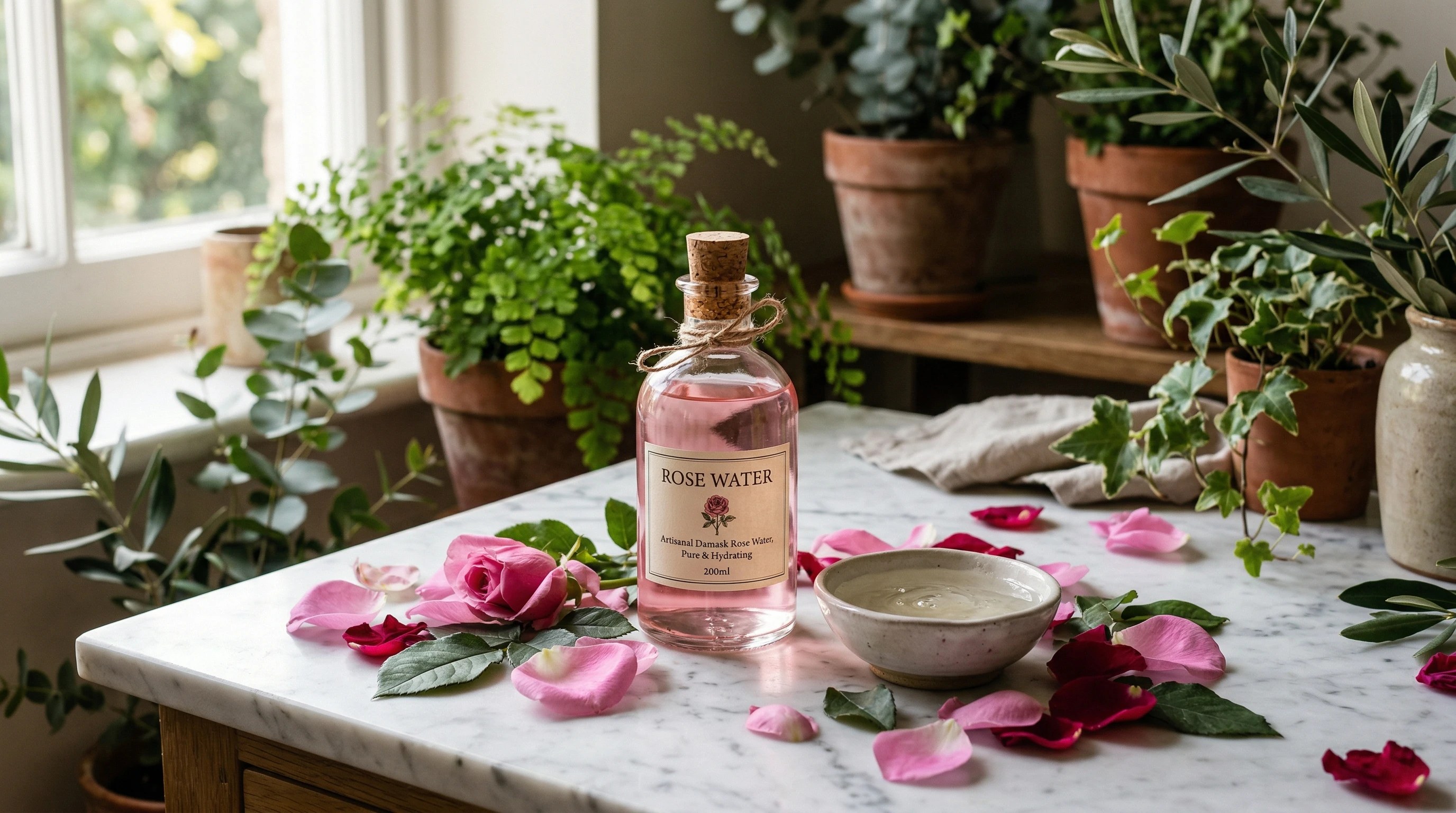
What Rose Water and Glycerin Can Do for Your Skin
Combining rose water and glycerin for skin isn’t exactly a new trend; it’s more like a super dependable classic that never lost its charm. Rose water is well-known for calming and toning, and glycerin kicks in as a lightweight moisturizer. When mixed, these two create a solution that locks in moisture, helps smooth out texture, and gives the skin a visible, dewy effect.
Here’s how they work together:
- Hydration: Glycerin attracts water from the air into your skin. It’s lightweight and nongreasy, which makes it pretty handy if you want hydrated skin without feeling sticky.
- Soothing: Rose water feels calming and refreshing, especially after a long day in the sun or wind. If you ever have skin that feels a little tight or flushed, this blend feels super nice.
- Balances pH and tones: Rose water is naturally mildly acidic. This helps your skin find its sweet spot, not too oily, not too dry.
- Softens and plumps: Using this combo regularly can make your skin look softer and more bouncy; that’s the glycerin doing its thing.
People often see a reduction in dry patches and a subtle boost in glow within a week or two of regular use. It’s a gentle routine that fits most skin types (except extra oily or acneprone, which I’ll talk about soon).
Mixing Rose Water and Glycerin: A Straightforward How-To
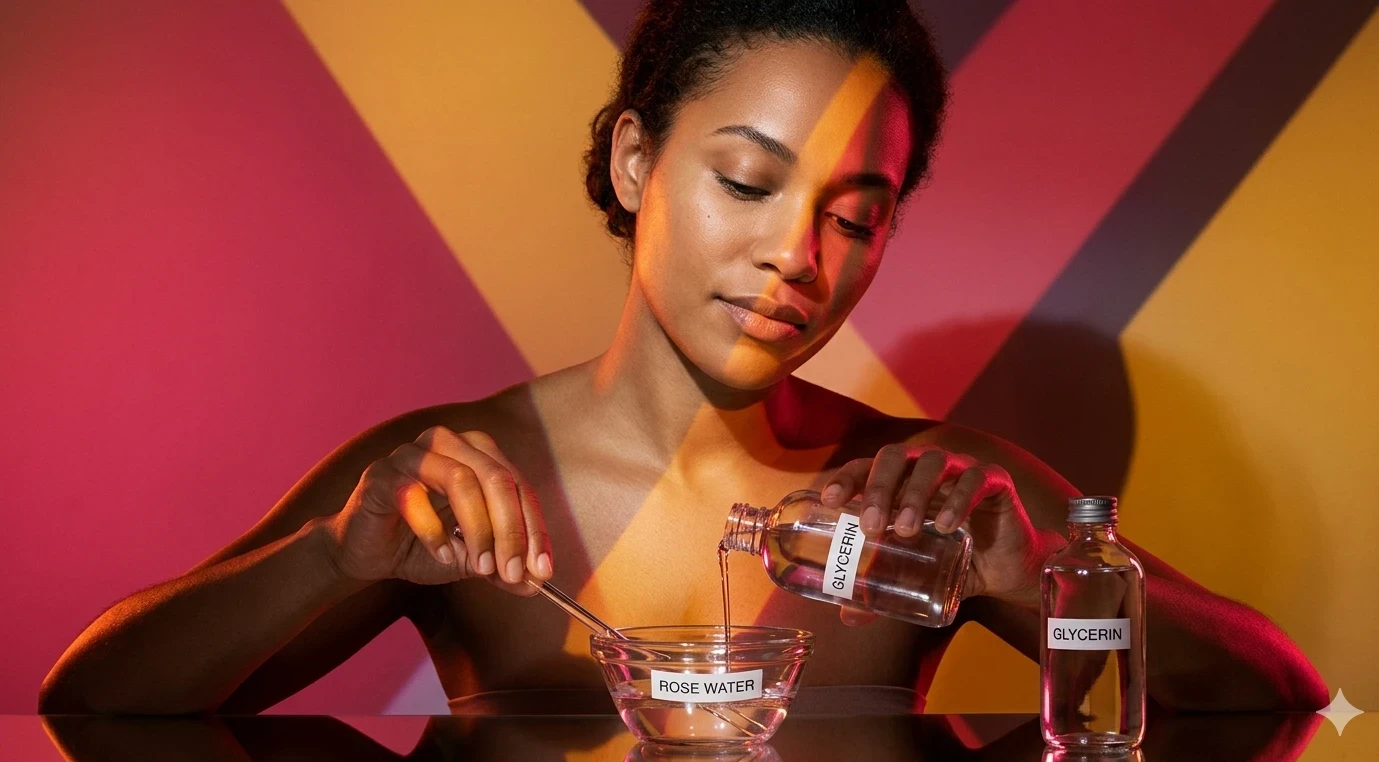
The good news is, you don’t need fancy tools or advanced chemistry knowledge to make your own rose water and glycerin mix at home. I keep a bottle of it around for quick spritzes, morning and night. Here’s a step-by-step guide you can follow to whip up your own refreshing blend:
- Gather your ingredients: You’ll need pure rose water (food-grade if possible) and pure vegetable glycerin. Avoid anything with extra fragrances or dyes; your skin doesn’t need them.
- Decide on your ratio: For a balanced, beginnerfriendly mixture, try two parts rose water to one part glycerin. This combo gives the right consistency, not too thick, not too runny.
- Find a clean spray bottle: Glass is ideal since it’s less likely to react, but a new plastic bottle will work. Make sure it’s washed and totally dry before you start.
- Combine and shake: Pour the rose water and glycerin into your spray bottle. Screw on the lid and shake well. The liquids blend easily.
This DIY toner can be stored at room temperature, away from direct sunlight. I like to store mine in the fridge for some extra cooling power during hot weather. If you’re prone to using facial mists after a workout or on hot afternoons, the chilled blend feels incredibly soothing.
How to Use
- After washing, spritz onto your face and gently pat it in with your hands.
- Use it as a toner before your regular moisturizer, or on its own if your skin doesn’t need much else.
- For dry elbows or knees, smooth a few drops on and let it soak in.
- Mix a bit into your facemask for a moisturizing boost.
- Try it as a quick hair mist if you’ve got frizz; just a light spray can help tame flyaways and add a soft scent.
This blend works morning or night, and it won’t mess with most other parts of your skincare routine. People who travel love a small bottle of this in their carryon for a quick refresh on a plane or during a long drive. It’s also handy to keep a tiny spray bottle in your gym bag for post-exercise skin TLC.
What Not to Mix with Rose Water or Glycerin
Rose water and glycerin are gentle on their own, but when it comes to mixing with other skincare ingredients, there’s a bit you’ll want to avoid. Some combinations just don’t go together and could leave your skin irritated or sticky.
- Strong acids (like glycolic or salicylic acid): Mixing these with glycerin can irritate your skin, especially if you have sensitive patches. Use your acidbased exfoliators separately from your roseglycerin toner.
- Vitamin C serums: The pH levels in rose water can potentially destabilize vitamin C. Use your vitamin C in the morning, and your roseglycerin mix later in the day or at night.
- Heavy oils: If you pile heavy oils on top of glycerin, especially on oily skin, it can trap sweat and lead to breakouts. Use facial oils either way before or way after your rosewaterglycerin spritz, just not right away.
- Alcoholbased toners: The mix can interact oddly with alcohol and dry your skin out, which is the opposite of what you want.
If you have specific allergies or sensitive skin, patch-test the mixture on the inside of your wrist before putting it on your face. That way you can check for any redness or reaction in advance. Also, try to avoid over-layering too many products with this blend—simplicity often works best for sensitive skin.
Can Glycerin Help Remove Acne?
Glycerin has some perks for acneprone skin, but it’s not exactly an acne treatment by itself. Here’s how it works in the context of acne:
- Hydration without clogging pores: Glycerin is noncomedogenic (it won’t block pores), and it can support a healthy moisture barrier. This prevents your skin from compensating with too much oil, which can sometimes help reduce mild breakouts.
- Speeding up healing: By keeping your skin hydrated and comfortable, glycerin can help skin recover faster if you already have pimples or marks from picking.
What it won’t do is clear up active pimples. Glycerin doesn’t have any antibacterial or exfoliating properties. If you’re breaking out, you’d want to pair this gentle blend with something formulated for acne, such as a mild salicylic acid wash or a benzoyl peroxide cream (but use them at different times so you don’t dry your skin out).
For some, using rose water and glycerin keeps their skin calm and moisturized, which is handy if your acne comes with a side of dry, flaky skin. If you tend to have very oily or cystic acne, though, skip the glycerin spritz and choose lighter, oilfree products. Remember, everyone’s skin is unique, so what helps one person may not work for another; adjust based on your own results.
Troubleshooting: Common Issues and How to Fix Them
If you’re new to DIY skincare blends like rose water and glycerin, it’s normal to run into a few little hiccups. Here’s what I hear about most, with some fixes I’ve found useful:
- Skin feels sticky: You might have used too much glycerin, or your ratio is too heavy. Start with a smaller amount and add more rose water for a lighter texture. If your skin stays sticky, try rinsing off before bed.
- Pores look clogged: If you notice any tiny bumps, cut back on the glycerin or switch to every other day instead of daily. Also, don’t layer heavy creams right after your rosewaterglycerin mist.
- No glow, just feeling dry: Possibly not enough glycerin for your skin type. Increase the ratio a bit, and make sure you’re trapping in the moisture with a moisturizer on top if needed. Sometimes, using a gentle exfoliant once a week can help your skin absorb the blend better.
- Redness or stinging: Could be an allergic reaction or your rose water isn’t pure. Always check your source and test before using widely. If irritation continues, stop use and consult a dermatologist.
If you want to add extra pampering to your skincare, consider infusing your rose water with dried lavender or chamomile for even more soothing effects. Just strain out any solids before mixing with glycerin.
Real-World Examples of When This Combo Makes a Difference
- Post-sun: If I’ve been outdoors a bit too long, a cool spritz of rose water and glycerin helps calm my skin down pretty fast.
- Seasonal switch up: When the air goes from humid to dry (or the heater is running 24/7), using this blend keeps my cheeks from feeling rough or tight.
- Light makeup days: On days when I skip heavy makeup, a spritz of this mix keeps my face feeling fresh and dewy all day long.
- Soothing after shaving: Both rose water and glycerin help settle the skin and take down any post-shaving redness.
If you work in an office or space with drying air conditioning, spritzing this blend a couple of times during the day can keep your face from feeling tight. It’s gentle enough to be used more than once daily, as long as your skin tolerates it.
Frequently Asked Questions About Rose Water and Glycerin
Some common questions pop up when people first try this blend. Here are a few of the ones I hear a lot, with crisp, clear answers:
How do I mix glycerin and rose water for skin?
Mix two parts rose water with one part pure glycerin in a clean spray bottle. Shake it up, spritz on clean skin, and pat it in gently. Adjust the ratio if you want something lighter or heavier for your skin type.
What do rosewater and glycerin do for skin?
Rose water soothes, tones, and balances pH, while glycerin hydrates and helps your skin lock in moisture. Mixed together, they create a lightweight, calming toner or mist that boosts glow and keeps skin supple.
What should I avoid mixing with rose water?
Avoid strong acids, heavy oils, and harsh alcohol-based products in the same routine. These can either cancel out the gentle effects of rose water or irritate your skin when layered together.
Can glycerin remove acne?
Glycerin won’t clear up acne directly, but it can help maintain your skin’s moisture level and support overall skin health. This can sometimes help your skin recover, especially if you’re prone to dryness or mild irritation. For actual acne treatment, look for ingredients like salicylic acid or benzoyl peroxide.
Final Tips for Glowing Skin with Rose Water and Glycerin
Getting started with rose water and glycerin doesn’t take much effort and can yield visible results, especially if your goal is fresh, hydrated, and glowing skin. Remember to keep your ingredients pure, tweak the ratios to your liking, and listen to how your own skin responds. Regular use can quickly become a satisfying, nurturing ritual in your skincare routine. There’s a reason this simple combo has stuck around for generations; it really does leave skin looking its best. As always, if you experience any irritation, give your skin a break and consult with a skin care professional. Happy spritzing!
This is a really beginner-friendly and practical guide that makes DIY skincare feel approachable instead of intimidating. I like how clearly you explained the benefits of both ingredients and how they complement each other, especially the hydration from glycerin and the soothing effect of rose water. The step by step mixing instructions are simple and easy to follow, which is perfect for someone just starting out.
I also appreciate the section on what not to mix with this blend, since that’s something many guides skip but can make a big difference in avoiding irritation. The troubleshooting tips are helpful too, especially for adjusting the ratio based on different skin types.
Overall, this is a great introduction to a classic skincare combo that proves you don’t need complicated routines to achieve soft, glowing skin.
Thank you so much for your kind words! I’m really happy to hear that the guide made DIY skincare feel simple and approachable. That was exactly my goal, especially for beginners who may feel overwhelmed by more complicated routines.
Rose water and glycerin are such a classic combination because they work so well together. The rose water helps calm and refresh the skin, while the glycerin draws in moisture and helps keep the skin feeling soft and hydrated.
I’m especially glad you found the “what not to mix” and troubleshooting sections useful. Those details are often overlooked, but they can make a big difference in helping people avoid irritation and adjust the recipe to suit their own skin type.
You’re absolutely right that glowing, healthy skin does not have to come from a long or expensive routine. Sometimes the simplest ingredients can be the most effective. Thank you again for sharing your thoughts!