
Aloe vera scrubs are everywhere in skincare these days, and it’s easy to see why. The blend of aloe vera with gentle exfoliants gives you a unique way to refresh your skin without being too harsh. I use aloe vera in my own routine whenever my face feels dull or needs a calming boost, and it’s become a pretty handy product for everything from basic exfoliation to giving my skin a smoother texture. So, here’s what you need to know about aloe vera scrubs, how they work, and why they might be just what your skin needs.
The Basics: What Makes Aloe Vera Scrub Special?
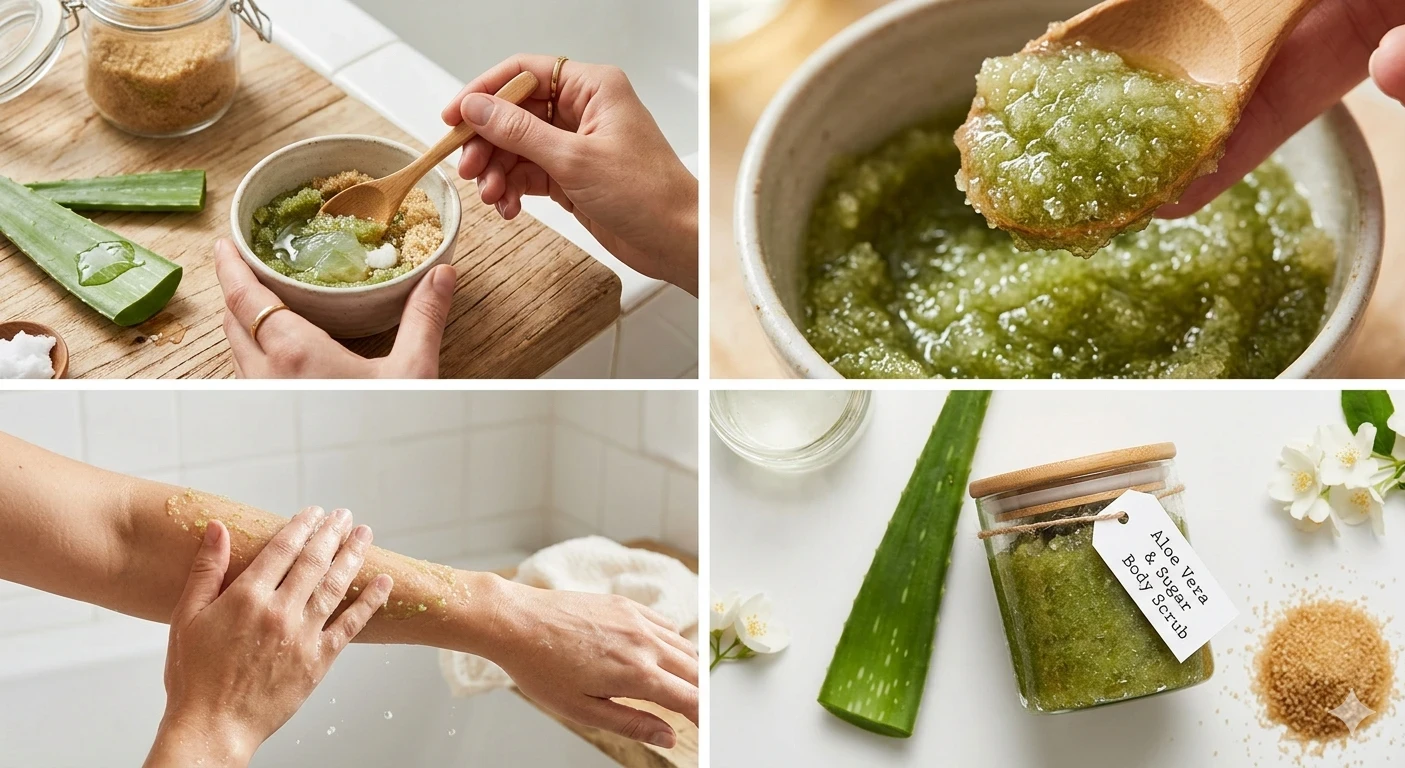
Aloe vera scrubs are made by mixing aloe vera gel (which comes from the inside of the aloe plant’s leaves) with small exfoliating particles. These might be natural things like ground walnut shells, sugar, or even gentle microbeads. Aloe is packed with water, vitamins, antioxidants, and enzymes, so it does more than just smooth away dead skin. It hydrates, soothes, and helps your skin bounce back after rough days.
Aloe vera has been used for hundreds of years in different cultures for treating wounds, burns, and skin irritation. The reason it’s super popular in modern scrubs is that it packs a mix of calming and repairing benefits without any greasy or heavy feeling.
Key Benefits of Using Aloe Vera Scrub for Your Skin
There are several perks to using an aloe vera scrub, and I’ve noticed they show up pretty quickly with regular use. Here are the main benefits:
- Gentle Exfoliation: Aloe helps cushion your skin while the scrub particles gently remove dead skin cells, clearing out clogged pores and brightening your complexion.
- Hydration: Aloe vera is mostly water and sinks right into your skin, giving it a hydrated, plump look without heaviness.
- Soothing Irritated Skin: The cooling effect really helps if your face feels sunburned, puffy, or red after a long day.
- Help with Acne and Blemish Control: The anti-inflammatory properties of aloe can calm breakouts, and the exfoliation doesn’t make it sting or burn like some harsh scrubs.
- Even Skin Texture: With dead cells gone and new ones at the surface, skin feels smoother and makeup sits better.
Using an aloe vera scrub two or three times per week is usually a great match for most skin types, but if you’re super sensitive or have a skin condition, it’s smart to try a patch test first. I like to give it a try on my wrist and wait a day to check for any surprises.
Can You Use Aloe Vera Scrub On Your Face?
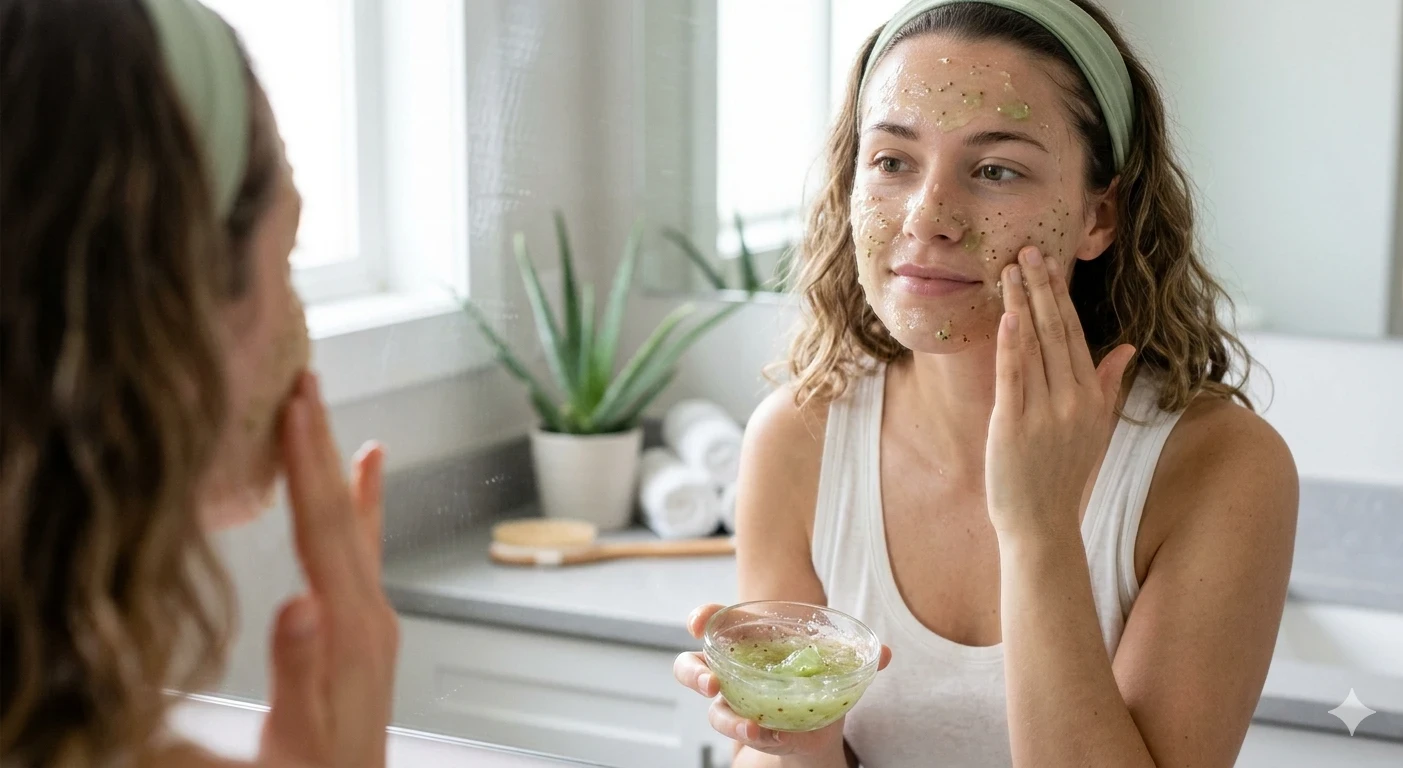
Yes, aloe vera scrub works well for the face. The key is choosing a product with very fine exfoliant particles, like sugar or soft bead scrubs instead of rough ones with big ground shells that might scratch. Most aloe-based face scrubs also include calming add-ins like chamomile or green tea to boost the soothing factor. I use mine after cleansing, gently massaging in small circles and rinsing with cool water for a refreshed, healthy look. If you have active acne or any sort of flare-up, skipping rough scrubbing is smart. For most people, a gentle aloe scrub can actually help without causing extra irritation.
Does Aloe Vera Scrub Have Any Benefits for Body Skin?
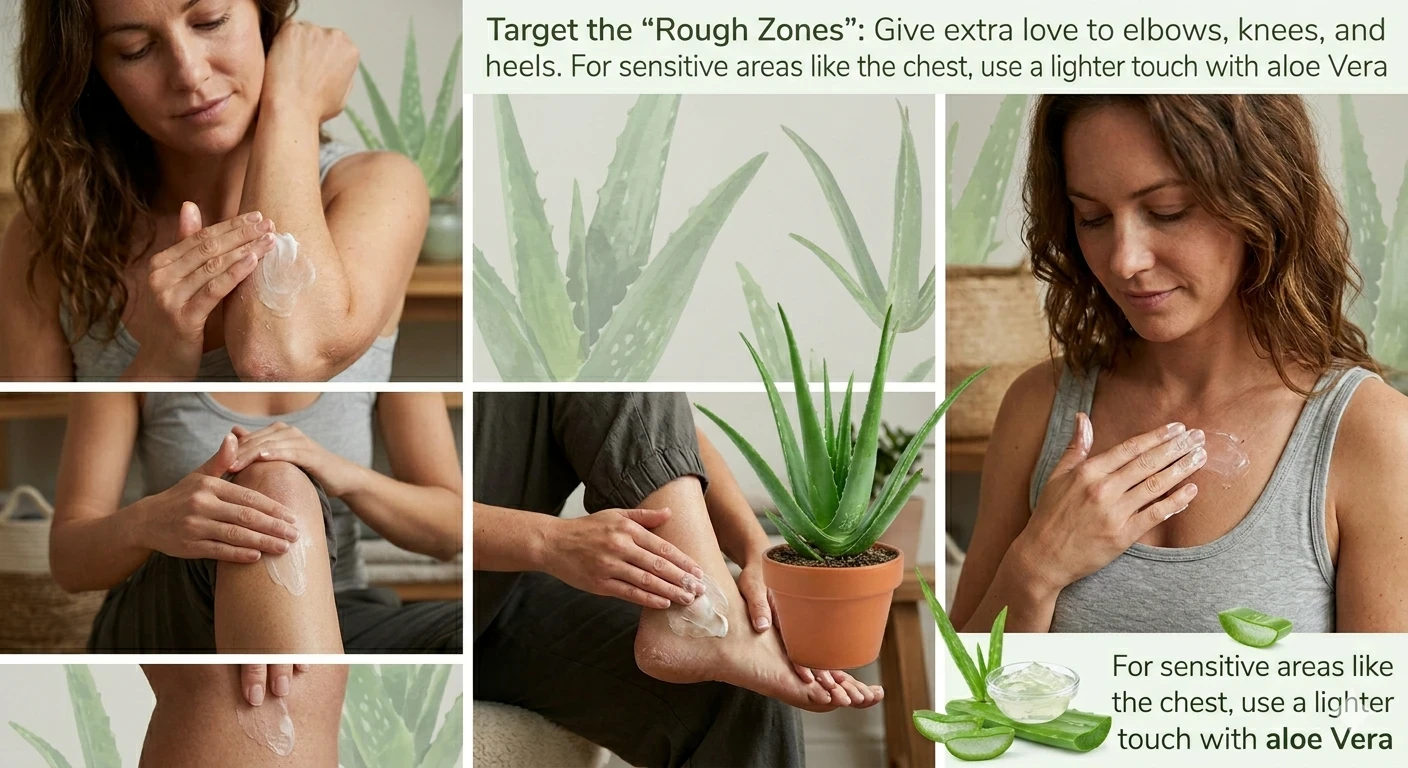
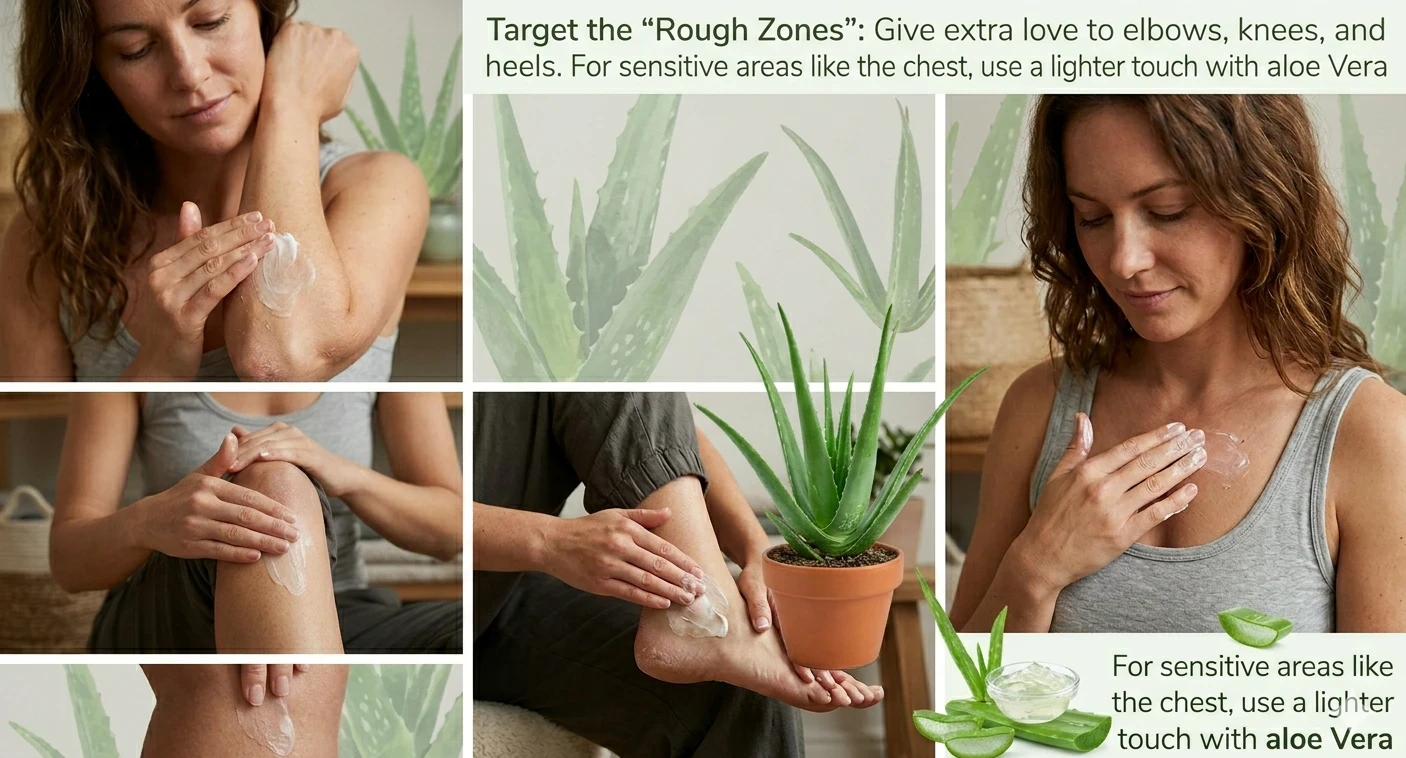
Your face isn’t the only place that can use a little TLC. Aloe vera scrubs can be used on arms, legs, back, and even elbows and knees, which tend to dry out or get rough patches. I often use aloe-based scrubs to prep my skin before shaving, which helps prevent ingrown hairs and leaves my skin super soft. The soothing vibe from aloe vera also means less irritation, especially after sun exposure.
Beyond these traditional uses, aloe vera scrubs can be especially helpful for folks dealing with keratosis pilaris—the tiny bumps often found on the backs of arms or thighs. Regular gentle exfoliation helps smooth things out, while aloe’s calming power eases up redness or itchiness. If you’re someone who spends a lot of time outdoors, aloe scrubs are practical post-beach or hike, cooling the skin and washing away sweat and sand with one step.
Frequently Asked Questions About Aloe Vera Scrub
Is aloe vera scrub good for the face?
Aloe vera scrub is great for the face as long as you pick one with fine, gentle scrub particles. Aloe calms and hydrates while exfoliating, making it good for most skin types, including those prone to redness or mild acne. Just avoid scrubs with large, sharp grains if your skin is especially sensitive or broken out.
Does aloe vera help high blood pressure?
Aloe vera is mostly known for its skin benefits, such as soothing, healing, and hydrating. There is some early research suggesting that aloe supplements could have an effect on blood pressure, but nothing solid enough for it to be reliable for that use. Always check with your doctor before trying aloe for anything inside your body or for conditions like high blood pressure.
Can aloe vera remove fungal acne?
Aloe vera’s anti-inflammatory properties can help calm irritated or breakout-prone skin. It does have some natural antifungal qualities. While it won’t directly cure fungal acne on its own, it can be a helpful part of your routine alongside antifungal treatments. Using an aloe vera scrub can gently remove dead skin and support healing. If you have fungal acne, look for products that are labeled as noncomedogenic (won’t clog pores).
What are the benefits of aloe vera scrub?
Aloe vera scrub offers a combo of exfoliation and hydration. You get smooth, glowing skin, fewer clogged pores, and a less irritated feel. Plus, the cooling effect of aloe is great for hot days, post-gym, or after shaving. It can help keep dullness away and gives a natural, clean look after regular use.
How to Use Aloe Vera Scrub for Best Results
Start with clean skin and use a gentle cleanser with warm (not hot) water. Scoop out a little bit of scrub, and gently rub it on your skin using the tips of your fingers. Focus on areas that get rough or clogged (like your nose, chin, or forehead), and use softer pressure around the cheeks. Rinse well. Always moisturize after using a scrub, since your skin is freshly exposed and ready to soak in hydration.
For the body, I make light circles on elbows and knees, or swipe the scrub up my legs before shaving to help prevent razor bumps. Never use a scrub on broken, sunburned, or recently waxed skin, since that can sting or cause irritation; wait until your skin is healed. If you use self-tanner, exfoliate beforehand so your tan goes on more evenly.
Things to Consider Before Using Aloe Vera Scrub
While aloe vera is mild and usually safe, there are a few things to keep in mind:
- Allergies: Even natural ingredients can sometimes bother your skin. A patch test on the wrist helps avoid surprises.
- Sensitivity: If your skin gets red or uncomfortable after scrubbing, switch to a gentler product or space out how often you use a scrub.
- Product Formulation: Check the label for added fragrance, alcohol, or colors if you know your skin reacts badly to these. Also, check for the size and type of exfoliating particles—overly gritty ones are best reserved for the body, not your face.
- Frequency: Two or three times a week is usually enough. Scrubbing every day can overdo it, leaving you with irritation or dry patches.
I like to keep my routine pretty simple and watch how my skin reacts. If things feel off, I scale back and swap to a hydrating mask or simple moisturizer for a few days instead.
Allergy and Sensitivity Checks
If you’ve never tried aloe before, dab a little on your inner wrist and wait 24 hours. No redness, swelling, or itchiness means it’s probably safe for your face or body, but go easy and watch for any changes over time. If you’re adding new ingredients to your DIY scrub, repeat this test—skin can react differently to combinations.
Advanced Tips to Get More From Your Aloe Vera Scrub
Layering your aloe scrub with other skincare can give a boost to its benefits. Here are some of my favorite hacks:
- Use After Steaming: Exfoliate after a warm shower or face steam to open pores and lift away dirt more easily.
- Go for Gentle Massage: Take your time with light circles instead of scrubbing hard; gentle motion removes more without causing micro-tears.
- DIY Mix-In: Stir a little honey, oatmeal, or a drop of tea tree oil into your scrub for extra soothing, hydrating, or acne-busting action. Some people add a drop of rosehip oil for extra radiance.
- Pair With Sunscreen: Freshly scrubbed skin is more delicate, so smooth on sunscreen if you’re heading out in the sun.
I sometimes add a bit of plain aloe gel after my scrub for an extra calming boost, especially during the summer or after spending too long outside. For a spa day at home, layer with a sheet mask or hydrating mist to lock in moisture.
How Aloe Vera Scrub Fits Into Real-Life Skincare Routines
Aloe vera scrubs are a great addon to pretty much any routine. They work well alongside gentle cleansers, lightweight face oils, and calming mists. Here’s how I usually fit them in:
- Morning or evening, after cleansing but before moisturizing
- Twice a week for my face, more often for body if my skin is rough or dry
- Right before applying hydrating serums or masks to help those ingredients sink in better
If you’re already using powerful active ingredients like retinol or strong acids, stagger scrub days so your skin isn’t overloaded. Giving your skin periodic breaks can help keep things balanced and let you spot patterns, like if you’re dealing with unexpected breakouts or dryness. And don’t forget, consistency brings results; it’s not about scrubbing harder or more often, but making your routine work for you.
Aloe vera scrub brings together the best parts of exfoliation and soothing hydration. For most people, it’s a pretty easygoing option that can help smooth, brighten, and comfort skin no matter the season. Watching how your skin reacts and finding a gentle formula that works for you makes all the difference. Track down a scrub that feels right, make it a regular part of your routine, and enjoy how refreshed your skin looks and feels after every use.
This is a really well-rounded breakdown. I like that you didn’t just hype aloe vera, but actually explained where it helps and where it doesn’t—especially around things like acne and eczema.
The balance between exfoliation and hydration is the key point here, and you explained that clearly. A lot of people overlook how easy it is to over-exfoliate, so mentioning frequency and sensitivity was important.
Also agree with your point about particle size—too many people grab harsh scrubs and end up irritating their skin without realizing why.
Overall, this feels practical and easy to follow, which is exactly what people need when they’re trying to build a simple skincare routine.
Thank you—I really appreciate that. I wanted to give a balanced view because aloe vera can be helpful, but it’s definitely not a cure-all, especially for concerns like acne or eczema where skin can react very differently from person to person.
You summed it up perfectly: the goal is to support the skin barrier, not overwhelm it. Gentle exfoliation paired with hydration usually works much better than using stronger scrubs more often.
I’m also glad the point about particle size stood out. Choosing finer, smoother ingredients can make a huge difference in preventing unnecessary irritation, especially for sensitive skin.
And yes—less is often more. Using a scrub once or twice a week and paying attention to how your skin responds is usually the safest approach.
Thanks again for the thoughtful feedback—it’s a great reminder for readers to focus on consistency and gentleness rather than overdoing it.