
Blending rose water and glycerin for skincare is an oldschool approach that keeps turning up because it works. These two ingredients come straight from nature and have a simple reputation; they’re safe, gentle, and multitasking. Here’s a closer look at how rose water and glycerin can be a real upgrade to your daily skin routine and why I keep coming back to them, especially when my skin is feeling tired or dry.
Why Use Rose Water and Glycerin for Your Skin?
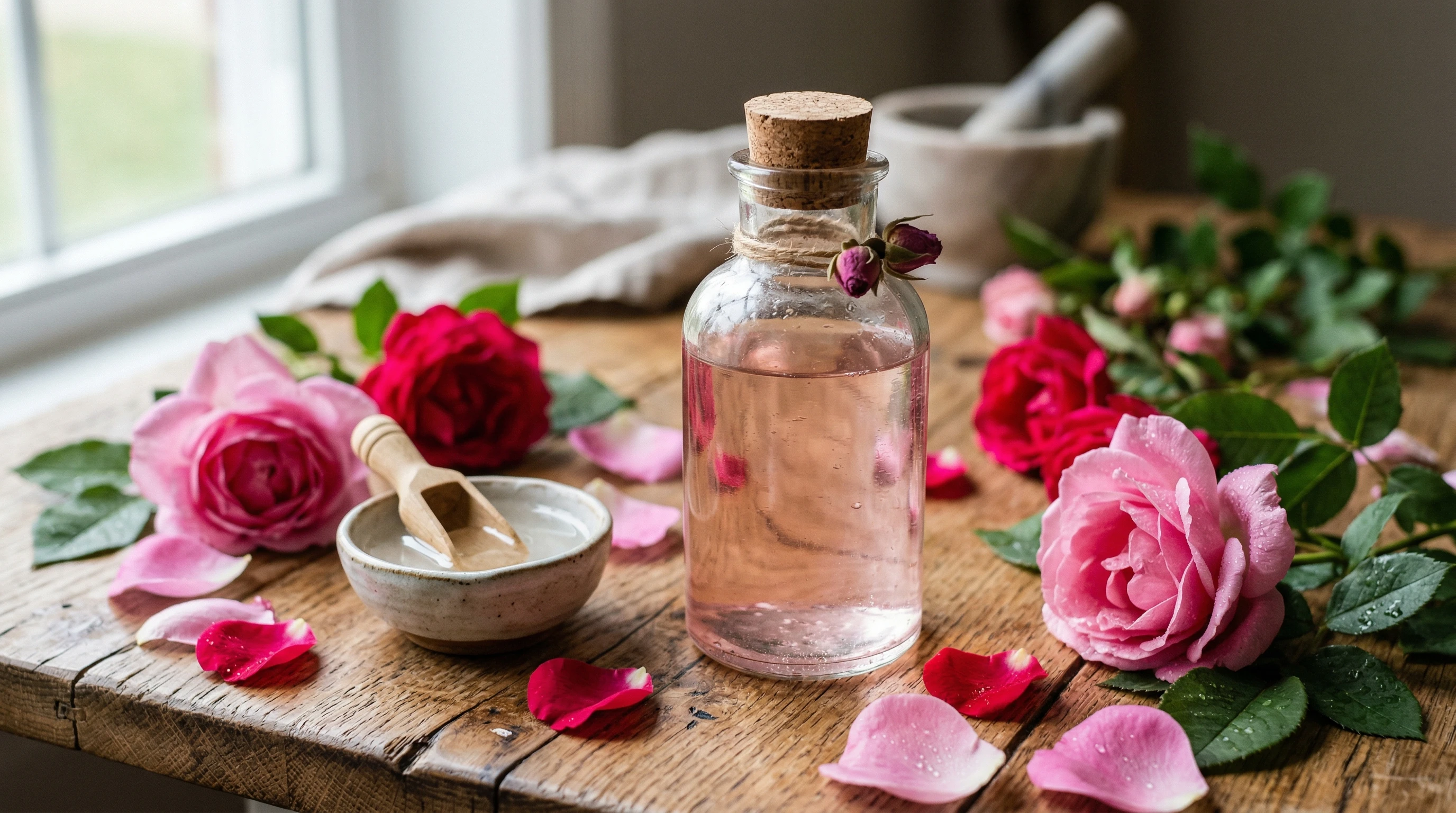
There’s a reason these ingredients have been around so long; they’re both really gentle and suit lots of skin types, including sensitive or acneprone. Rose water is made from rose petals and carries a bunch of vitamins, antioxidants, and calming properties. Glycerin is a humectant, which is a fancy way of saying it draws moisture from the air and holds it in your skin. When you combine the two, you get a pretty handy, budgetfriendly treatment that tackles dryness, dullness, and irritation.
Rose water and glycerin have stuck around on bathroom shelves for generations for good reason. Rose water brings that soothing feeling and light floral scent, while glycerin locks in hydration for a plumper, softer look. Both are available at most drugstores, and making your own rose water and glycerin toner or mist at home is super easy. You can also add Aloe VeraScrub to your daily routine.
What Actually Happens When You Use Rose Water and Glycerin Daily?
If you use rose water and glycerin every day on your face, Benefits For Skin you’ll likely notice your skin feels a lot more balanced and hydrated. I use a mix of rose water and a few drops of glycerin as a toner type spray, especially during dry winter months or after too much sun. Here’s what usually happens:
- Softer Skin: Glycerin brings in hydration, so skin feels supple instead of tight or flaky.
- Soothed Redness: Rose water calms down irritation, redness, and the sting from breakouts or shaving.
- Healthy Glow: Giving your face a drink of moisture regularly helps you look fresher and less tired.
- Improved Barrier: The outer layer of your skin stays stronger against cold, wind, and even some pollution.
I haven’t had issues with clogged pores, but if you have really oily skin, try using a little less glycerin and see how you go. Most people find the combo is lightweight enough to use daily, but starting every other day is always a smart move if you’re just getting into it.
History and Origin: Where Do Rose Water and Glycerin Come From?
Rose water has centuries of history, with roots in Middle Eastern, Indian, and Mediterranean routines, both for skin and cooking. Beauty routines from as far back as ancient Persia mention using rose water on the face for its fragrance and cooling sensation.
Glycerin is a plantbased ingredient today (though it can also come from animal fats), and it started popping up in soaps and creams in the 1800s, thanks to its gentle, nonirritating properties. These two ingredients are often found in old apothecary recipes, which says a lot about their staying power. Aloe Vera Scrub
Mixing Up Rose Water and Glycerin for Skin
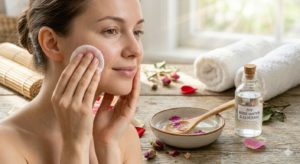
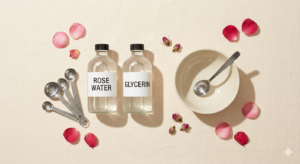
Moms and grandmas swear by this mix, and it’s easy to see why: you get the calming effect of rose water, and the moisture magnet power of glycerin, all in one bottle. Here’s how I usually make my own:
- Take 3 parts rose water (store bought or homemade).
- Add 1 part vegetable glycerin.
- Pour into a small spray bottle and shake it up well.
Spray it on after cleansing, before moisturizer, or even midday when your face needs a pickmeup. This combo works as a toner, primer, or refresher, and there’s no sticky feeling left behind if you get the ratio right.
Everyday Benefits of Rose Water and Glycerin
- Keeps Skin Moisturized:
- Glycerin’s moisture lock holds on to water and slows down dryness, making it great for rough, patchy skin.
- Cools and Refreshes: Rose water is famous for bringing down that hot, flushed feeling; perfect for after a workout or a day outside.
- Reduces Redness and Irritation: Both ingredients are mild and can help settle down itchiness, razor burn, sunburn, or just everyday redness.
- Evener Skin Tone: Regular use can help create a more balanced, less blotchy complexion.
- Mild and Noncomedogenic: The mix is light and won’t usually clog pores, which is a win for anyone prone to breakouts.
Rose Water Goes Beyond Skin Care: Does It Help With Sickness?
Rose water has a reputation for calming skin, but you might see some people mention it as a remedy for sickness. While drinking rose water on its own isn’t going to cure a cold or flu, it’s sometimes used in traditional medicine for its calming scent and antioxidant content. Inhaling the steam or using rose water in your bath can help you relax a bit when you’re feeling under the weather. However, there’s no strong medical evidence that rose water directly treats illness. Still, the scent can definitely lift your mood and make you feel more comfortable when sick. Always use rose water that’s food grade and free from artificial fragrances or additives if you plan on ingesting it.
Using Rose Water on Your Face Every Night: What Changes?
Applying rose water (with or without glycerin) on your face every night is a simple way to wind down. After sticking to this habit for a week or two, I personally noticed:
- Less visible redness and irritation
- Softer texture and fewer rough patches
- A more refreshed and less tired look in the mornings
Consistent application lets the antioxidants work on your skin overnight and helps moisture sink in before you add night cream. It’s a good reset for skin that’s exposed to sun, makeup, or city pollution during the day. Glycerin makes the effect even stronger, holding hydration in for those 78 hours of sleep.
Can Rose Water and Glycerin Remove Dark Spots?
Getting rid of dark spots can be tricky and often takes time. Rose water and glycerin can help with the process, mainly by soothing irritation and keeping skin hydrated, which can make spots less noticeable over time. Rose water contains vitamin C and antioxidants that very gently fade mild hyperpigmentation. Glycerin helps with healing, which can be useful if dark spots are left behind from acne or minor cuts.
Just a heads up, though; this combo won’t work as fast or intensely as targeted treatments like chemical exfoliants or prescription creams. But as a backup, or for people with very sensitive skin, it’s a calming option to encourage even skin tone without harsh ingredients.
Potential Downsides and Things to Consider
- Check for Additives: Some rose waters contain preservatives or added fragrance. For best results, stick with pure, natural products, especially if you have sensitive skin.
- Watch for Overuse: Too much glycerin or too strong a mix can leave a sticky feeling. Adjust the mix if this happens, and store your blend in a cool place.
Extra Skin Care Tips with Rose Water and Glycerin
- As a Mist: Spray over makeup for a dewy finish or throughout the day to revive tired, dry skin.
- In DIY Masks: Mix with clay masks to keep them from drying out too quickly and add a gentle boost of hydration.
- As a Setting Spray: Lock in makeup and keep skin calm during the day. Works well in hot climates where skin loses moisture fast.
- As a Hair Refresher: Lightly spritz on your hair for a soft floral scent and a quick moisture boost to cut down on dryness or frizz without weighing your hair down.
Frequently Asked Questions
What happens if you put rose water and glycerin every day on your face?
If you use this mix daily, most people notice softer, hydrated, and more balanced skin. Ongoing redness and dryness usually calm down, and your skin feels plumper and less irritated. For acneprone types, it tends not to clog pores, but testing is always smart.
Does rose water help with sickness?
Rose water isn’t a medical remedy, but its scent and antioxidants can make you feel a bit more comfortable when you’re sick; think of it for mood and relaxation. It won’t treat flu or infections, but it’s nice for a comforting bath or to freshen up sheets and pillows.
What happened if I applied rose on my face every night?
Applying rose water nightly leads to more even, soothed, and smooth skin. Over time, tiredness and mild irritation fade, and you’ll wake up with a refreshed, less puffy look. Adding glycerin in the mix makes it even more hydrating and longlasting overnight.
Can rose water and glycerin remove dark spots?
They won’t erase dark spots instantly, but regular use can gently even out the skin tone and keep skin healthy, which may help lighten mild spots. For stubborn spots, stronger treatments are usually needed, but rose water and glycerin are a safe, gentle backup.
The combo of rose water and glycerin is simple, reliable, and really easy to fit into just about anyone’s skincare routine. Whether you need extra moisture, want to soothe irritation, or just enjoy that fresh feeling, this duo is worth checking out if you want to keep things gentle and effective. For more info skin-care-basics
This is a really helpful and refreshing reminder that simple skincare can still be incredibly effective. I like how you highlighted that rose water and glycerin aren’t just trendy, they’ve stood the test of time for a reason. The way you explained glycerin as a moisture magnet makes it easy to understand why the combination works so well, especially for dry or sensitive skin.
I also appreciate the practical tips, like adjusting the ratio for oily skin and using it as a mist throughout the day. That makes it feel accessible for beginners as well as experienced skincare users.
The historical background was a nice touch too, it adds credibility to the routine. Overall, this is a great guide for anyone looking to simplify their skincare while still getting real, noticeable results without relying on harsh or expensive products.
Thank you so much for your thoughtful comment! I’m glad you enjoyed the reminder that skincare does not have to be complicated to be effective. Rose water and glycerin really are timeless ingredients, and they have remained popular because they consistently help keep skin soft, calm, and hydrated.
I love that the explanation of glycerin as a “moisture magnet” resonated with you. That is exactly why this combination works especially well for dry or sensitive skin, while still being easy to customize for oilier skin by simply using a little less glycerin.
I’m also happy you found the practical tips helpful. Using the blend as a facial mist throughout the day is one of the easiest ways to keep skin feeling fresh and comfortable, especially in dry weather or after spending time in air conditioning.
And thank you for mentioning the historical background too. Sometimes the best skincare remedies are the ones that have been trusted for generations. They may be simple, but they can still deliver real results without the need for harsh or expensive products.
I truly appreciate you taking the time to share your thoughts, and I hope the routine works beautifully for you!