If you’ve ever glanced at your kitchen pantry or bathroom shelf and wondered if you could whip up your own skincare products, you’re definitely not alone. DIY skincare is getting more popular, not just because it’s fun and budget friendly, but also because it gives you all the control over what goes onto your skin. With so many basic and natural ingredients around, creating skin loving products right at home is honestly pretty achievable. I’m here to guide you through the world of the best DIY skincare products, why they’re worth making, handy tips for getting results, and a step by step look at how to add essential oils the right way.
Why DIY Skincare is Worth Considering
Store shelves might be packed with choices, but more people are switching to homemade skincare for good reasons. When you make your own products, you choose the ingredients, avoid harsh chemicals, and save quite a bit of money. Plus, there’s something rewarding (and kind of relaxing) about mixing up a mask, scrub, or body butter yourself. For many, DIY means knowing exactly what’s in your jars—no small print or mystery chemicals.
For anyone with allergies or sensitive skin, DIY skincare can be a real lifesaver. Making your own lets you skip added fragrances, dyes, and preservatives. You get to tailor everything—moisture, texture, scent—just for you. If you’ve ever ended up with a rash or breakout from something you bought, making it yourself can help you dodge all that irritation. Even beyond sensitivities, there’s comfort in using simple, real ingredients straight from your kitchen.
Getting Started With DIY Skincare Ingredients
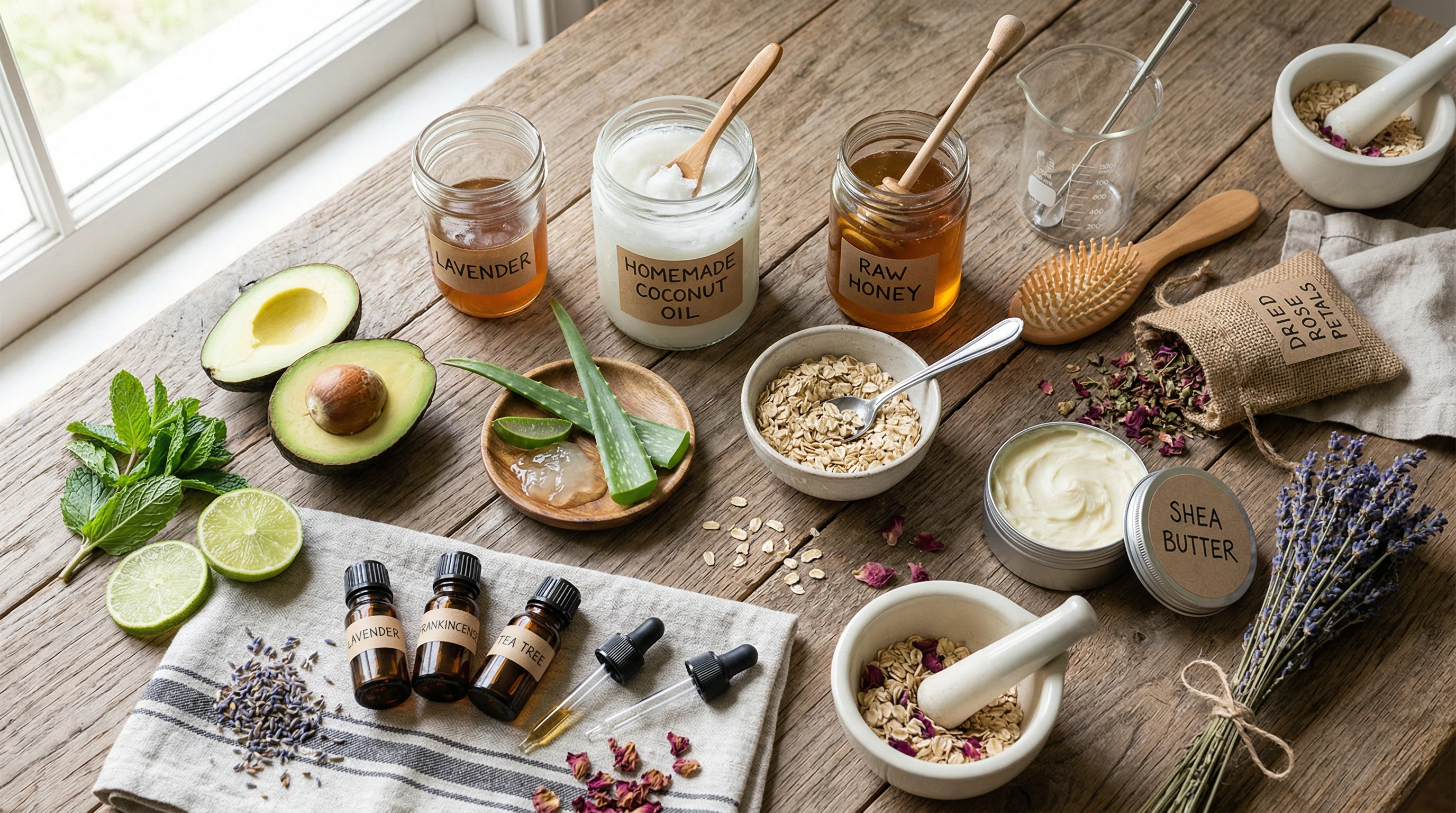
First things first: not all ingredients are created equal. When picking out stuff for your DIY recipes, always aim for the purest, simplest forms you can find. Organic options are usually a safe bet, and they tend to work better on sensitive or fussy skin. Make sure to double check expiration dates and store oils and butters in cool, dark places to keep them fresh for as long as possible.
- Coconut oil: Good for moisture and works well in body scrubs, balms, and simple makeup removers.
- Aloe vera gel: Calms skin and acts as a lightweight moisturizer, perfect after sun exposure.
- Honey: Naturally antibacterial; great for calming blemishes and drawing moisture to your skin.
- Oats: Super gentle and soothing, oats can be great in masks and scrubs for sensitive or irritated skin.
- Shea butter and cocoa butter: Add a ton of rich moisture (great for dry hands, lips, and heels).
For most DIYs, basic kitchen tools—small bowls, measuring spoons, a whisk, and airtight jars—will get you started. It never hurts to clean everything really well before you mix to keep bacteria out, and always give new ingredients a patch test on your arm before going all in. If you want to get even fancier, invest in a small scale, glass dropper bottles, or even a hand mixer for whipping up lighter textures.
Popular DIY Skin Care Recipes to Try
Jumping into DIY skincare is easiest with a few reliable recipes. Here are some of my go to creations that cover different needs, so you can give your skin a treat regardless of your skin type. These recipes are simple, so you won’t be overwhelmed, and they allow for some creativity as you get more comfortable with DIY beauty.
Gentle Oat and Honey Face Mask
This mask is soothing for anyone dealing with redness or irritation. Honey is natural and calming, while oats help with gentle exfoliation.
- 2 tablespoons ground oats (a quick blitz in a coffee grinder works)
- 1 tablespoon raw honey
- 1–2 teaspoons plain yogurt or water (for smoothing out the mix)
Mix everything to form a paste. Apply a thin layer to clean skin, leave it on for 10–15 minutes, then gently rinse with warm water.
Simple Sugar Lip Scrub
If your lips get dry and chapped, this sweet scrub buffs away flaky bits and adds a hit of moisture. Routine use can help your lips stay soft and smooth year round.
- 1 tablespoon coconut oil
- 2 tablespoons white or brown sugar
- 1–2 drops of vanilla extract (totally optional)
Stir the sugar and oil together. Gently massage a pea sized amount onto your lips, then wipe off with a damp cloth. Finish by applying your favorite balm.
Creamy Avocado Face Mask
For a boost of softening and glow, avocado and yogurt come together for the ultimate treat, especially if your skin feels dry or dull. You’ll love this after a long day outdoors.
- 1/4 ripe avocado, mashed
- 1 tablespoon plain yogurt
- 1 teaspoon honey
Mix it up, apply, and let it do its thing for 10–15 minutes. Rinse with cool water and pat dry for surprisingly soft skin. The natural fats in avocado help nourish parched complexions.
DIY Coffee Body Scrub
This scrub buffs away dead skin cells and leaves your skin feeling extra smooth. Plus, the coffee smell is a pick me up all on its own. You might even notice a firmer look to your skin over time.
- 1/2 cup coffee grounds (used or fresh)
- 1/2 cup sugar (white or brown)
- 1/4 cup coconut oil (melted)
Mix everything, then scrub gently onto wet skin in the shower. Rinse well and pat your skin dry. This is great for rough elbows, knees, or feet and gives instant smoothness.
Smart Tips for Safe and Effective DIY Skincare
Homemade skincare can be awesome when you stick to some basic guidelines. Always start small; your kitchen isn’t a pro lab, so do a patch test when trying anything new. Don’t combine too many active ingredients at once, since even gentle things like honey and baking soda can irritate in high doses. If you’re using organic ingredients, remember they spoil faster, so smaller batches mean fresher products and less waste.
Watch your jars and storage. Try to use clean, airtight containers and keep them somewhere cool and dark so things stay fresh. If something starts to look or smell off, it’s time for a new batch. And, as tempting as it is to play chemist, never mix home recipes with prescription treatments; always check with your dermatologist if you’re unsure.
The Final Step: Adding Essential Oils for Maximum Benefits
Once you’ve got the basics mixed, adding essential oils can give a boost to any DIY skincare product. Essential oils are concentrated liquids made from distilling plants to extract their natural properties. Because they’re much more potent than the original ingredients, a drop or two goes a long way.
Here’s the really important bit: essential oils shouldn’t be used directly on your skin. They’re way too strong and could cause irritation or reactions. Instead, always mix a few drops into a “carrier oil” (like coconut, jojoba, olive, or sweet almond oil) or add them as part of one of your recipes. This keeps things safe while still giving you all the awesome plant powered benefits.
Why Lavender Essential Oil Is My Top Pick
There are lots of essential oils out there, but lavender is a favorite for good reason. It’s loaded with antioxidants to help keep skin clear. It helps heal dry skin, works as a natural anti-inflammatory, and can treat all sorts of skin discomfort (think: bug bites or minor burns). Beyond working wonders on your complexion, lavender oil is known for promoting sleep and easing stress through aromatherapy. Adding a couple drops to your nighttime moisturizer or bath can help your mind and skin chill out together.
Other skin friendly essential oils to check out: tea tree oil for blemishes, rosehip oil for plumping and scars, and chamomile for calming sensitive skin. Just like with lavender, always mix a small amount of essential oil with a base oil before using.
Key Things to Consider Before Trying DIY Skincare
Making your own skincare is simple, but a few factors are really important before getting started. Know your skin type: oily, dry, sensitive, or combination. Some ingredients that work wonders for dry skin (like coconut oil) can be too heavy for oily types. Do a quick test before you slather anything new on your face. Safety is always top priority, especially when using essential oils.
Consider allergies and skin sensitivities. If you’ve had reactions in the past, double check recipes and ingredients for anything that might be a trigger. Look for feedback from others in the DIY skincare community, and don’t hesitate to swap in gentler ingredients if you’re unsure. Joining online DIY forums or social media groups can be a great way to get tips and find new ideas—just remember to always rely on credible sources, especially for anything that goes on your skin.
Caring for Your DIY Products
Homemade skincare products don’t last as long as store bought ones, so label your jars with dates and make smaller batches to keep things fresh. Products made with water (like toners or spritzes) can grow bacteria pretty fast, so pop them in the fridge and toss after a week or so. Oilbased products like balms or body butters last a bit longer, usually two to three months when stored right. Always give your homemade creations a once over before use, especially if they smell odd or develop any changes in color or texture.
Frequently Asked Questions
What are the easiest skincare products to make at home?
Simple masks, gentle scrubs, and basic body butters are the most beginner friendly. They need only a few ingredients, most of which are probably in your kitchen already.
How do I know if a DIY product is safe for my skin?
Always patch test a small spot, usually your wrist or forearm, before using a new product on your face. If there’s redness or irritation, swap out your ingredients or try a different recipe.
How many drops of essential oil should I use in my skincare products?
For most homemade recipes, one to two drops per tablespoon of carrier oil is plenty. More can be too strong and might upset your skin, so less is definitely more.
Are essential oils safe for all skin types?
Most essential oils are safe when diluted, but some people with extremely sensitive skin may get irritation. Always mix with a carrier and avoid oils that might be too strong for your skin type.
DIY skincare is about keeping things simple, safe, and personalized. With the right ingredients, a little patience, and plenty of creativity, you can create products that leave your skin happy. Your wallet will thank you, too. Happy mixing!
I’ve been looking into DIY skincare because I really want to break away from commercial products and have more control over what goes on my skin. The idea of using simple ingredients like oats, honey, or avocado feels so much safer and more personal.
I especially appreciate the reminder to make small batches and store them properly; that really helps me feel like I can manage it without the fear of wasting anything or dealing with potential irritation. Posts like this give me confidence that natural, homemade options can be both effective and enjoyable.
Thank you so much for sharing your thoughts. One of the biggest benefits of DIY skincare is exactly what you mentioned: having more control over the ingredients and choosing simple, natural options that suit your skin’s needs.
Ingredients like oats, honey, and avocado can be wonderful because they are gentle, nourishing, and easy to customize. Oats help soothe and calm the skin, honey adds moisture and natural antibacterial properties, and avocado is rich in healthy oils that leave the skin feeling soft and hydrated.
Making small batches is definitely the best approach, especially with homemade products that do not contain preservatives. It keeps everything fresh, reduces waste, and makes it easier to notice how your skin responds before trying a larger amount. Proper storage in a clean, airtight container and keeping more perishable mixtures refrigerated can also help them stay effective longer.
Most importantly, natural skincare should feel enjoyable and empowering, not complicated. Starting simple and paying attention to how your skin reacts is often the best way to build a routine that works beautifully for you.