
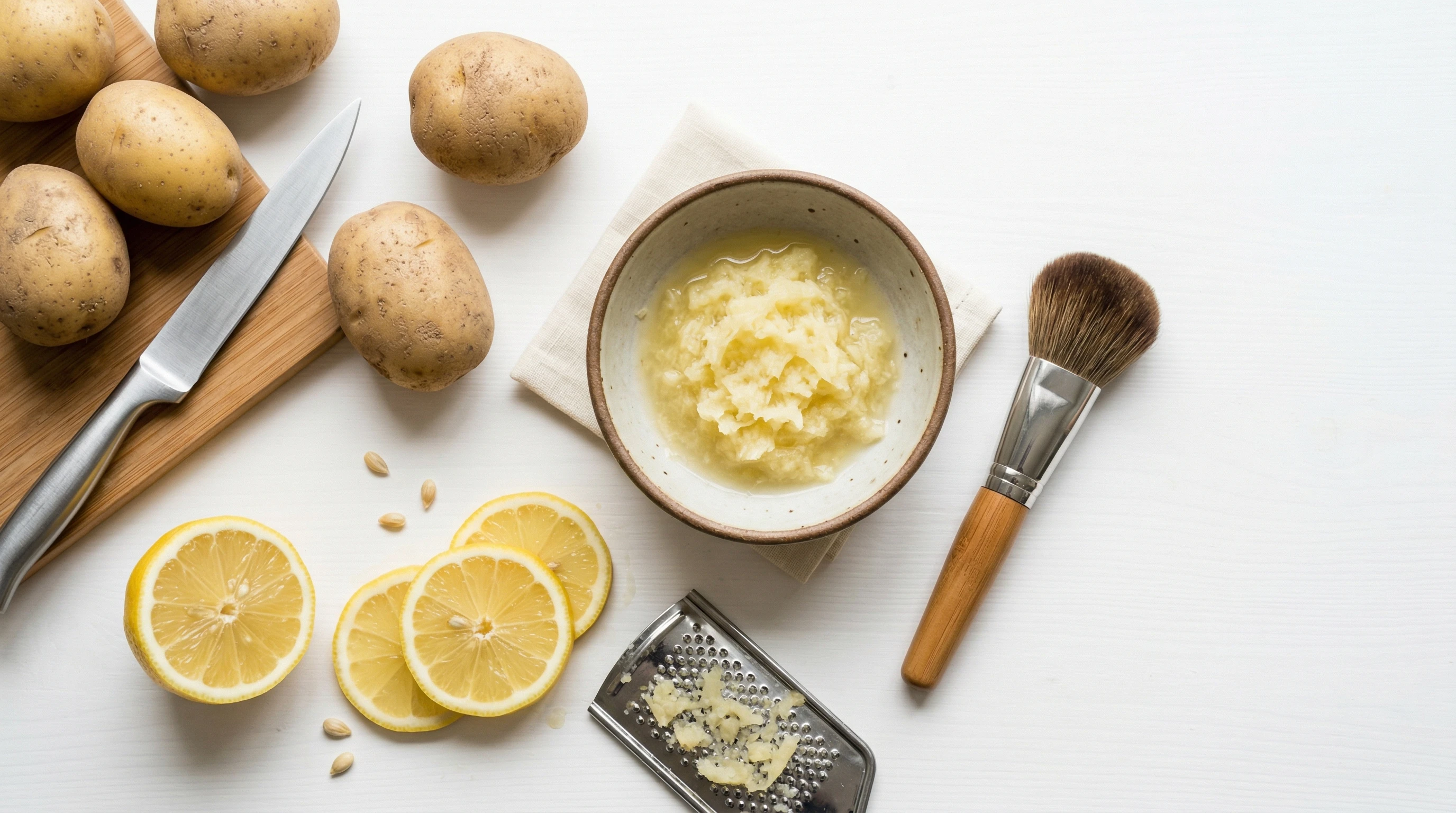
 Potato and lemon might sound like a weird combo for your face, but this simple homemade mask is actually a classic DIY remedy for brightening dark spots. These two kitchen staples are loaded with skin-loving ingredients that target hyperpigmentation, boost glow, and leave your skin looking fresh. I get asked a lot about natural ways to even out skin tone, and this one is always at the top of my list because it’s budget friendly, easy to whip up, and pretty gentle compared to harsh store bought treatments.
Both potatoes and lemons have been used in skincare for ages, and when I tried this mask myself, I noticed a real difference in the way old acne marks and dull patches looked after a few uses. If you’re dealing with sun spots, dark marks from pimples, or just general unevenness, this is definitely worth a try. There’s nothing fancy needed with this method, and it only takes a few minutes to prep.
Get ready to track down how these two ingredients can help fade dark spots and brighten your skin, along with tips for mixing and applying the mask like a pro. Here’s a full breakdown of why this combo works and how to use it effectively for healthy, glowing skin.
Key Benefits of Potato and Lemon Mask
It’s easy to see why this DIY mask is so popular. Both ingredients bring strong skin-brightening perks. Here’s a clear point-form summary:
- Rich in Vitamin C
- Acts as a strong antioxidant
- Fights free radicals
- Boosts collagen production
- Helps brighten skin and reduce dullness
- Reduces hyperpigmentation
- Natural Bleaching Properties
- Contains the enzyme catecholase
- Gently lightens dark spots
- Mild effect compared to chemical bleaching (generally non-harsh)
- Hydration and Soothing Effects
- High water content helps moisturize skin
- Restores natural moisture barrier
- Soothes irritation
- Reduces puffiness, especially around eyes
- Anti aging Benefits
- Rich in Vitamins B & C, iron, and potassium
- Improves skin elasticity
- Smooths fine lines
- Supports overall healthier looking skin
What Makes Potato and Lemon Good for Skin?
Both of these ingredients are simple but powerful. Potato juice is actually loaded with vitamin C and natural enzymes that help fade dark marks gently over time. You’ll often spot catecholase mentioned in natural beauty guides. This enzyme is prized for its ability to brighten and even out skin tone without being super harsh.
Lemon is famous for its high vitamin C content. That means it’s a strong antioxidant and can help break down the pigment in dark spots. Lemons are also pretty acidic, so if you have sensitive skin, you’ll want to dilute the juice with potato or add water before applying. It’s all about getting those brightening effects without irritation.
What Types of Dark Spots Can This Mask Help?
- Acne scars
- Sun spots
- Melasma
- Age spots
- General dull or uneven areas
If you’ve got stubborn leftover spots from breakouts, faded freckles you wish would disappear, or patchy tone from years in the sun, this mask is pretty handy. Just remember, results aren’t immediate. It often takes a few weeks of consistent use to start seeing real changes. Stick with it, and remember to use sunscreen every day since lemon can make your skin sensitive to sunlight!
Fun fact: Potatoes are often overlooked in skincare, but people in different cultures have put them to work for soothing skin after sun exposure. This goes to show how both household ingredients pack a punch when blended together for a homemade mask.
How to Make DIY Potato and Lemon Mask
What You’ll Need
- 1 small raw potato (peeled and washed)
- 1/2 fresh lemon
- Small bowl and grater
- Cotton pads or a clean brush for application
Step by Step Method
- Grate the potato. Use the fine side of your grater to shred the potato (skin off). Squeeze out the juice into your bowl using your hands or a cheesecloth. You’ll only need about 2-3 teaspoons of potato juice.
- Juice the lemon. Cut the lemon in half and squeeze fresh juice (about 1 teaspoon) into the bowl with potato juice. Stir together.
- Mix. Blend until you have a thin liquid. If your skin is dry or sensitive, you can add a teaspoon of plain yogurt or honey to soften the effect.
- Apply. Use a cotton pad or your brush to spread the mixture over clean skin, focusing on dark spots. Avoid the eye area.
- Leave on for 10-15 minutes, then rinse well with cool water. Pat dry and follow with moisturizer. Always use sunscreen if you’re heading outside, since citrus juices can cause light sensitivity.
How Often to Use
Start with 2-3 times per week. If your skin is handling it well (no redness or irritation), you can use it every other day. Watch for dryness or stinging, and cut back if you notice any issues. Consistency is what brings the best results—just don’t overdo it.
Tips for Best Results
- Always do a patch test on your inner arm or jaw before using the mask on your face.
- If your skin is sensitive, dilute the lemon juice with twice as much potato juice.
- Never leave citrus based masks on for longer than 15 minutes, since lemon can be drying.
- Follow up with a gentle, hydrating moisturizer (look for aloe vera, squalane, or ceramides).
- Make sure to stick with daily sunscreen. This is super important because lemon makes skin extra sun sensitive and can cause spots to get darker.
For stubborn marks, you can gently exfoliate once a week before applying the mask to help the brightening ingredients sink in better. Just use a mild scrub or a damp washcloth; no need for anything gritty or harsh. Twice monthly, try adding an extra rich moisturizer to really give your skin a boost overnight after masking.
Common Questions About Potato and Lemon Mask
Is it safe for all skin types?
This mask works best for normal, combination, or oily skin. If you have very dry or sensitive skin, you might experience tingling or slight redness because of the lemon. Consider adding a soothing ingredient or diluting the lemon juice more. Always start slow and patch-test first.
How long does it take to see results?
With regular use (about three times a week), you might see mild fading after 2-3 weeks, but deeper spots can take closer to two months. Improvements usually happen gradually as your skin turns over and old pigment lifts away. Everyone’s skin is different, but patience pays off. Take progress photos to help you spot the change!
Can I use store bought bottled lemon juice?
Fresh lemon juice is best. Bottled juice typically has preservatives and can be more irritating or even less potent for skin-lightening. Always use freshly squeezed juice for clean, effective results.
What if I get a reaction?
If you see redness, stinging that doesn’t fade, or any swelling, stop using the mask right away and rinse off with cool water. Applying a gentle moisturizer or some aloe vera helps calm skin down quickly. If irritation lasts longer than a few hours, ask a dermatologist for advice.
Extra Mask Variations to Try
- Add honey. For extra hydration and antibacterial benefits, mix in a teaspoon of raw honey.
- Add turmeric. Brightens and calms, but only use a pinch (it can stain).
- Swap lemon for cucumber. For those with redness or sensitivity, cucumber juice with potato is soothing and still brightening.
- Add yogurt. Natural lactic acid helps gently exfoliate and gives the mask a creamy feel.
- Add a few drops of rosewater. This offers extra soothing and a mild floral scent to the mask.
You can also experiment with adding a little oatmeal or green tea for boost in calming effects. Just keep in mind your skin’s unique needs and adjust accordingly.
Your Step by Step Action Plan
- Pick up a potato and lemon on your next grocery run.
- Try making the mask once this week—patch-test and see how your skin responds.
- Keep a photo record of your skin every week to track fading spots.
- Stay consistent and remember to pair this with sunscreen every single day.
- After a month, compare your photos to your starting point and jot down any improvements.
Have a favorite DIY mask or a natural brightening tip to share? Drop your go-to tricks or questions below. I’m always happy to swap ideas and help make skincare easy.
I have heard of using lemon masks to brighten the skin, but this is the first time that I have seen potato added to the mix. I also had no idea that potato juice was loaded with vitamin C. They say that this vitamin is a great skin brightener.
I have a dry skin, so would you suggest if I use this mask that I add some honey? I know that lemon can be quite drying.
Yes, if you have dry skin, adding a little honey is a very good idea. Honey is a natural humectant, which means it helps draw moisture into the skin and can offset some of the drying effect of the lemon.
For dry or sensitive skin, I would suggest modifying the mask to something like:
Leave it on for only 10–15 minutes, then rinse and follow with your usual moisturizer.
I would also recommend using less lemon than many DIY recipes call for. Lemon is very acidic and can sometimes irritate or over-dry the skin, especially if you already have dryness or sensitivity. Potato is naturally rich in vitamin C and antioxidants, so you still get some brightening benefits even with just a small amount of lemon. Honey is commonly added to potato masks because it helps soothe and hydrate the skin. (Clinikally)
A few precautions:
While potato and lemon masks may give a mild brightening effect, the evidence for dramatic skin lightening is limited, so think of it more as a gentle glow-boosting treatment rather than a strong brightening remedy. (healthline.com)