
Rose water and glycerin toner is a classic for good reason. It’s gentle, simple to make, and works for a variety of skin types. I reach for this combo whenever my face feels parched or a little irritated. Here’s my take on how to whip up an effective rose water and glycerin toner at home, plus some practical advice on using and storing it.
Why Rose Water and Glycerin Make a Great Toner
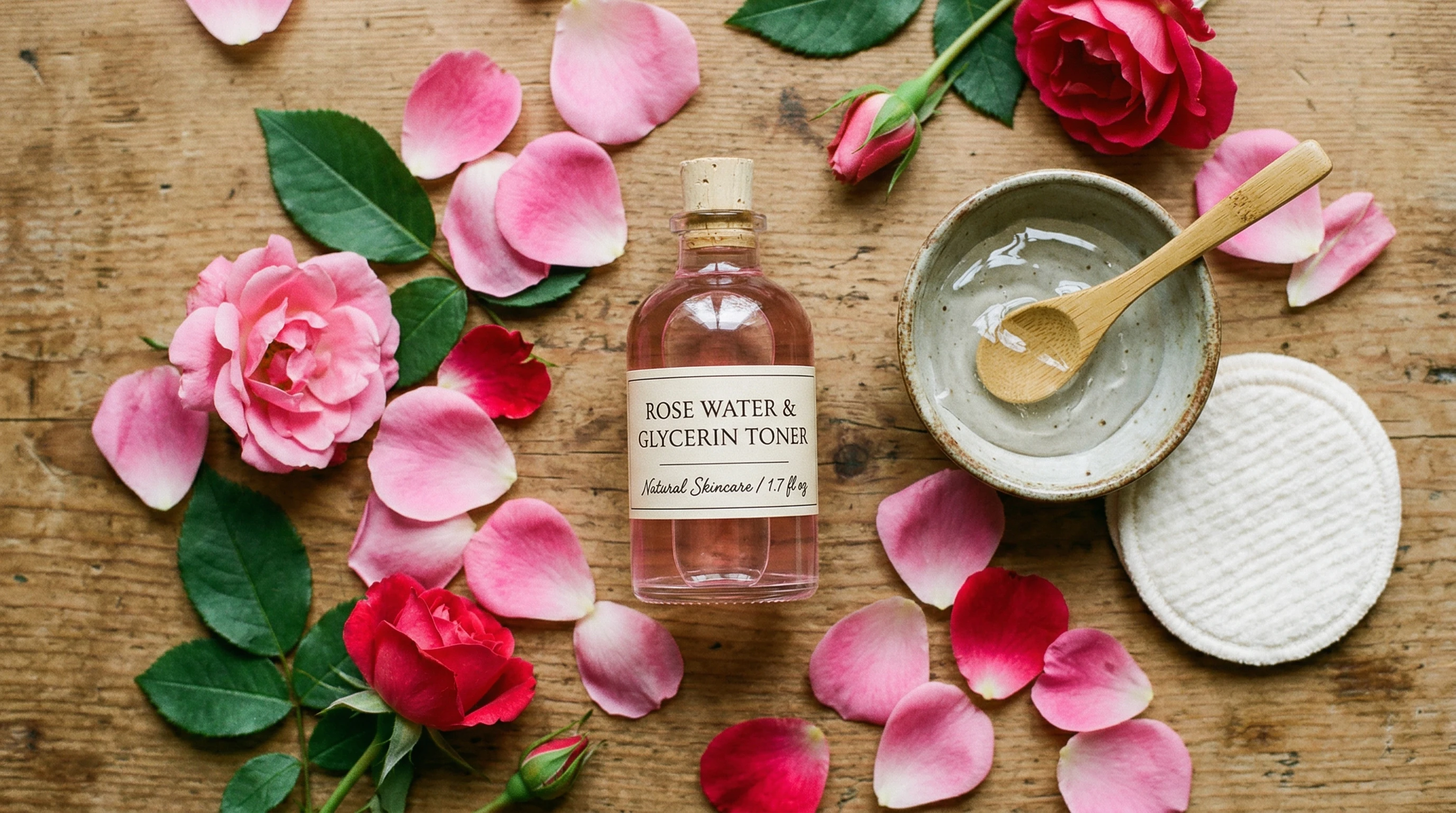
Mixing rose water and glycerin isn’t new; it’s been a goto home remedy in skincare for years. Rose water is known for its light floral scent, and it’s often used for its calming and refreshing qualities. Glycerin is a humectant, which means it helps draw moisture into the skin, keeping it soft and hydrated. Combined, they make a pretty handy toner for daily use.
This DIY toner can help balance your skin after cleansing and prep it for moisturizer. It’s especially good if you deal with dry, sensitive, or even combination skin. Plus, making it yourself gives you control over what goes on your face and saves you some cash in the process. Even if your skincare routine is already set, it can be fun and satisfying to add a homemade step that’s made with simple, trusted ingredients.
Benefits of Using a Homemade Rose Water and Glycerin Toner
I like this toner for its versatility. Here’s why I think it’s worth checking out:
- Hydration: Glycerin locks in moisture while rose water is naturally hydrating, keeping your skin feeling soft and plump.
- Soothing: Rose water can help calm redness and irritation, making it a good pick for sensitive skin types and stressed skin.
- Mild Astringent: Rose water offers a little tightening and toning action without drying you out, which helps give the skin a smooth look.
- Easy Application: The light formula feels refreshing and doesn’t leave greasy residue or stickiness behind.
- Antifungal Properties: Rose water is known to have antifungal and mild antibacterial qualities, so it helps keep your skin feeling clean and healthy.
What’s nice is, this toner tends to suit most skin types. Still, if you have very oily or acneprone skin, do a patch test first to see how your skin reacts. For those with combination skin, it can help give a moisture boost without overwhelming the oilier areas.
How To Make Glycerin and Rose Water Toner at Home
The process for this DIY is simple, budgetfriendly, and needs only a couple of ingredients. Here’s how I like to make it:
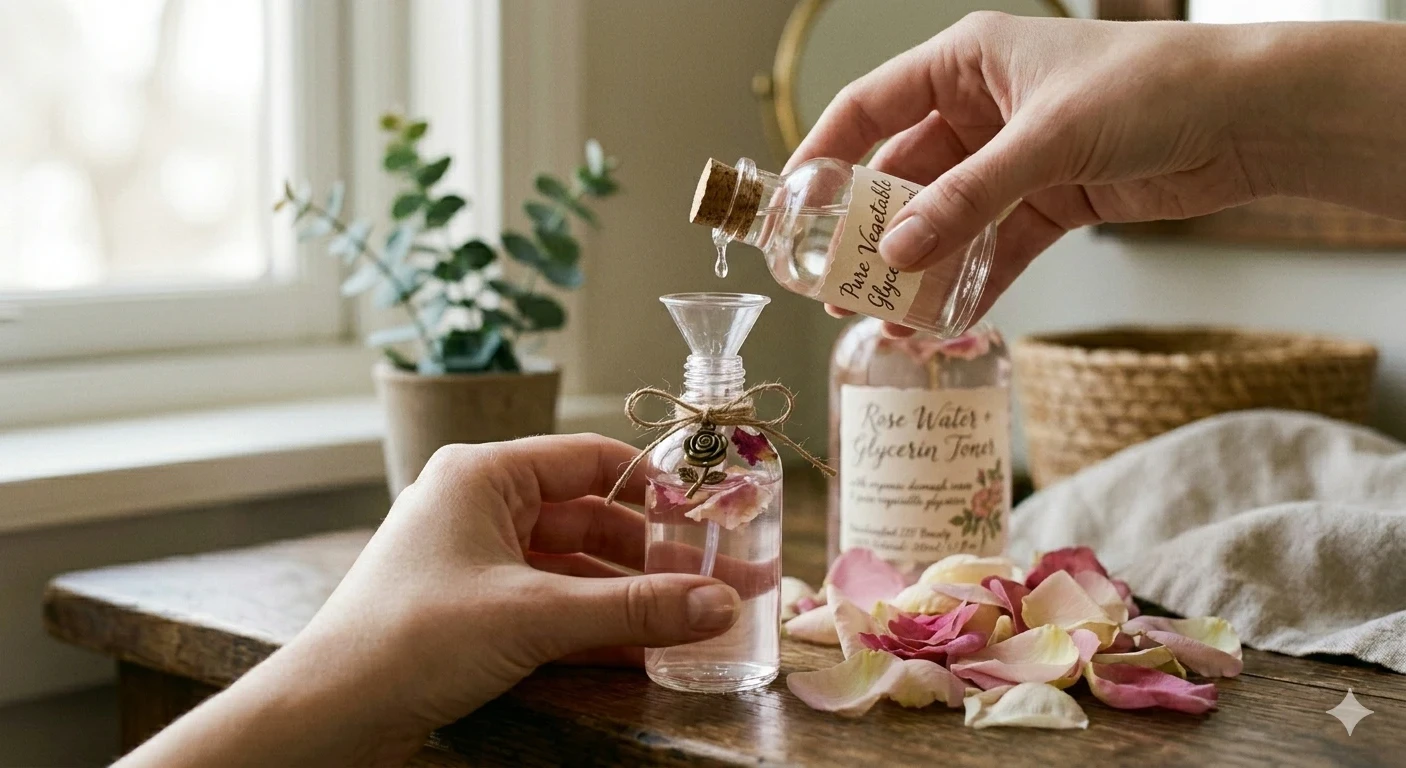
- Gather Your Ingredients: You’ll need rose water (look for pure, additivefree rose water), vegetable glycerin (make sure it’s food or cosmetic grade), and a clean bottle for storage. Optional: a few drops of your favorite skinsafe essential oil.
- Measure Out the Ratio: The common ratio is about 3 parts rose water to 1 part glycerin. For example, if you pour out 3 tablespoons of rose water, add 1 tablespoon of glycerin. Adjust a bit based on your skin’s needs: more glycerin for dry skin, less if you’d prefer a lighter feel.
- Mix Thoroughly: Combine them in your bottle and give it a good shake to blend everything together.
- Store: Keep the mixture in a clean, airtight container. Store it in a cool, dry spot, or pop it in the fridge if you want an extra cooling effect every time you use it.
This makes enough toner to last a couple of weeks. I suggest making small batches so it stays fresh. By keeping portions small, you reduce waste and ensure each batch is as effective as possible.
How To Use Rose Water and Glycerin as a Toner
This toner is super easy to use in your routine. After washing your face, I just pour a little onto a cotton pad or my palms and pat it gently over my skin. Let it sink in for a minute, then follow up with your regular moisturizer or serum.
Personally, I find it’s best to use morning and night, especially when my skin feels dry or stressed out by the weather. If you have sensitive skin, start by using it once a day and see how your face responds. It can also be used whenever your face needs a quick moisture boost—after sun exposure or a long day indoors in airconditioning, for example.
Tips for Making the Most of Your Toner
- Do a Patch Test: Especially if you have sensitive or reactive skin, try a little on your inner forearm before using it on your face to avoid unexpected reactions.
- Use Quality Ingredients: The simplest recipes work best when you stick to quality products. Make sure your rose water is additivefree and pure, and your glycerin is suitable for cosmetic use. Highquality ingredients help your toner feel and perform at its best.
- Adjust the Ratio: If your skin feels tacky, add a bit more rose water. If it still feels dry, try a tiny bit more glycerin. There’s no one perfect mix; play around with ratios until you find what feels great.
- Store Cool: Keeping it in the fridge gives you an instant pickmeup and also extends shelf life. The mixture will feel especially soothing if your skin is hot or flushed.
- Add Extras (Optional): A few drops of lavender or chamomile essential oil can add extra calming vibes; just make sure they’re skinsafe and that you’ve patch tested them first.
Common Questions About Rose Water and Glycerin Toner
Here are answers to a few questions that usually pop up when talking about rose water and glycerin as a homemade toner.
Q: How to make glycerin and rose water toner?
A: Mix 3 parts pure rose water with 1 part glycerin in a clean bottle. Shake well to blend the liquids. Store chilled if you want it to feel extra refreshing and last longer.
Q: Can we use rose water and glycerin on face as toner?
A: Yes, you can! This simple formula works as a gentle, hydrating toner, perfect after cleansing and before your moisturizer. Just patch test first if your skin is easily irritated, especially if you’ve never tried these ingredients before.
Q: Is rose water antifungal?
A: Rose water is known for its mild antifungal and antibacterial properties. While it’s not a replacement for medical antifungal treatments, it does help support a healthier skin barrier and can act as a gentle cleanser for the skin.
Q: What is the ratio of rose water and glycerin?
A: The usual ratio is 3 parts rose water to 1 part glycerin. This creates a moisturizing yet lightweight toner that won’t feel sticky on your face. If you want it thicker or if your skin is really dry, you can use a bit more glycerin. Go lighter with the glycerin if you have oilier skin.
Q: Can I use this toner on my body or as a makeup setting spray?
A: Yes, you can use this same toner as a light body moisturizer, applying especially to dry areas like elbows or knees. Some people also spritz a gentle mist on their face after makeup to help lock in freshness, but always test on a small area to be sure it doesn’t disrupt your makeup.
More Ways to Personalize Your Toner
You can customize your toner a bit if you want. Swapping in orange blossom water for rose is a fun twist for different skin vibes. Adding a splash of aloe vera juice makes it extra hydrating and soothing, especially when your skin’s feeling extra dry or irritated.
If you want to experiment, try adding things one at a time and keeping notes. That way, you know exactly what works for your face. You could also try green tea or chamomile tea, which are gentle alternatives for redness or sensitivity. Slowly adding new ingredients makes it easier to spot what your skin loves most.
What to Consider Before Trying This Toner
Homemade toners can be a treat, but there are a few things worth knowing:
- Freshness: Since this toner doesn’t have preservatives, use it within two weeks and make small batches to avoid spoilage.
- Allergies: If you’re sensitive to roses, glycerin, or any essential oils, skip this recipe or swap for gentle alternatives like chamomile hydrosol or soothing herbal tea infusions.
- Skin Conditions: Anyone with chronic skin concerns or seeing a dermatologist should double check with their doctor before introducing new products. Sensitive or inflamed skin can be unpredictable, so always check in if you’re not sure.
Homemade skincare can be a soothing ritual, but it’s super important to listen to your skin and make changes if you notice any irritation or discomfort. If any redness or stinging occurs, wash off with cool water and take a break to let your skin calm down.
Handy Variations to Try
- Refreshing Mist: Pour the toner into a spray bottle and spritz throughout the day for a quick skin refresh or to cool off during warm months.
- Undereye Pads: Soak cotton pads in the toner and chill them, then rest them on your eyes to calm puffiness and refresh tired eyes.
- Body Toner: Apply to your arms, neck, or anywhere you need a bit of hydration. This is a great way to use up any extra toner before it expires.
Wrapping Up: Easy SelfCare With Homemade Toner
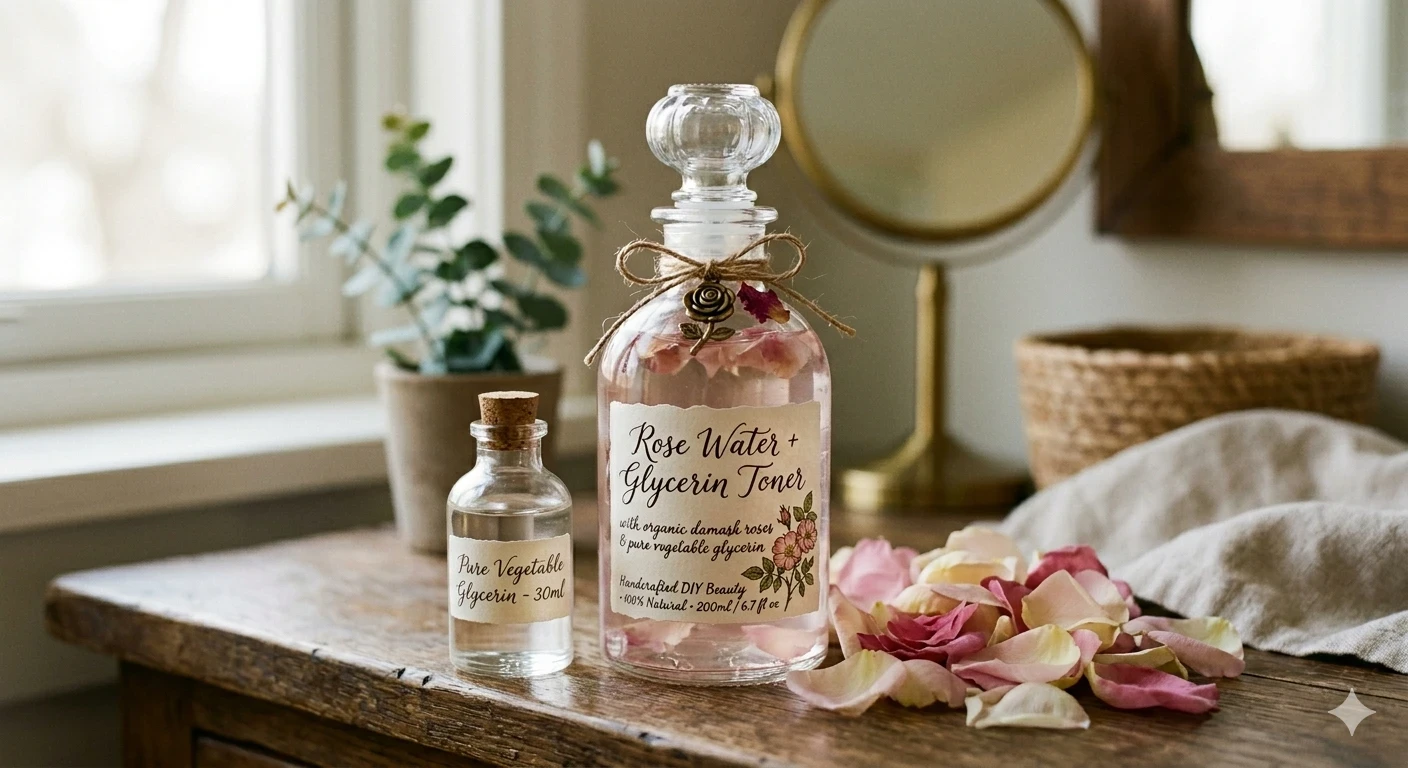
Making my own rose water and glycerin toner at home always feels like a little treat. It brings together two simple ingredients for some daily selfcare. The process takes just a few minutes and leaves your face feeling refreshed, hydrated, and ready for whatever comes next. Just remember to watch how your skin reacts, tweak the ratio when you need, and enjoy the experience.
Homemade toners can be a nice step in a simple skincare routine. They’re easy to mix, costeffective, and let you stay in control of your ingredients. If you’re into gentle, minimalist beauty DIYs, this one’s a good place to start. There’s a special satisfaction in crafting your own product, knowing exactly what’s in the bottle, and seeing the benefits right on your own skin.