
 Building DIY organic skincare rituals for glowing, acne-free skin isn’t just about what you put on your face. It’s about the mindful way you nourish and support your skin daily. For anyone dealing with acne and dreaming of that healthy, hydrated glow, an organic approach can really balance the complexion and calm irritation over time.
I’m all about keeping things natural and simple, focusing on ingredients that work gently and support your skin’s own healing cycle. A true organic skincare ritual isn’t just a list of steps. It’s a routine that invites mindfulness in the morning and comfort at night. Here’s how I build my own ritual with acne-safe, glow-boosting ingredients that work with you, not against you.
Setting Intentions for Your Skincare Ritual
Before reaching for any products, I like to pause and tune into what my skin actually needs. Organic skincare is about creating balance, not chasing perfection. Your ritual is your time to slow down and recharge while treating your skin to real nourishment.
Why Intention Matters
- When you treat your routine as a ritual, you’re less likely to rush or skip key steps.
- It builds consistency, which is super important because natural routines support your skin’s renewal cycle, which takes about 28 days.
- Slowing down reduces stress, and stress can trigger or worsen acne.
Try taking a deep breath before you start, or playing calming music. These little touches can make your ritual feel like actual self-care, not a chore.
If you add a journal to your ritual, jotting down how your skin feels each day helps spot patterns that can lead to improvements. Tracking these notes over a few weeks can really boost your understanding of what works best for your skin. You could even pair your ritual with your morning beverage, letting the process wake you up and ground you at the same time.
Core Principles of Organic, Acne-Safe Skincare
A few guiding ideas keep my routine both clean and effective:
- Choose Noncomedogenic Ingredients: “Noncomedogenic” just means it won’t clog your pores. Not all plant oils are safe for acne, so knowing this term is pretty handy. Jojoba oil, Rosehip oil, and Tea Tree oil make my goto list, as they balance, soothe, and fight bacteria without causing breakouts.
- Support Deep Hydration: Glowing skin starts with hydration down to the cellular level, not just putting something shiny on top. Mist with gentle hydrosols or aloe, and use oils that sink in rather than sit on the surface.
- Be Consistent: Organic routines sync with your skin’s natural rhythm, so stick with it and be patient. Changes show up gradually, but the glow you see is real and lasting.
If you’re sensitive to certain ingredients, do a quick patch test behind your ear before adding new items to your routine. Natural doesn’t always mean non-irritating, so listening to your skin is key. Checking ingredient sources and buying from trusted brands ensures you make the most of the whole skincare adventure.
Step-by-Step Morning Organic Skincare Ritual
- Gentle Cleanse: Use a mild cleanser with ingredients like organic green tea or aloe. Avoid anything harsh. Overcleansing triggers more oil and irritation.
- Hydrosol Mist: Spritz with pure rose or chamomile hydrosol to hydrate and calm. It soaks in quickly and gives a fresh base for oils.
- Treatment Oil (Acne-Safe): I use 2–3 drops of organic Jojoba oil. Its structure is close to natural skin oils, so it helps balance sebum, which can clog pores. For spots, add a single drop of Tea Tree oil, diluted well, to target bacteria.
- Moisturize: If your skin feels tight, pat in aloe vera gel or a light, noncomedogenic moisturizer.
- Natural Sun Protection: Layer a mineral sunscreen last. Go for nonnano zinc oxide formulas for organic, acne-safe coverage.
Taking an extra minute for each step lets you check in—what does your skin feel like today? Adjust as needed. You might find that on humid days you need less oil, or that during winter, a tad more moisture makes a difference. Personalizing each step keeps your ritual in sync with your skin’s needs.
Step-by-Step Evening Organic Skincare Ritual
- Double Cleanse (If Wearing Makeup): Start with organic sweet almond or jojoba oil, then follow up with your gentle cleanser. This clears out sunscreen and debris without overdrying.
- Hydrosol Mist: Repeat your hydration step for balance and a little ritual calm before bed.
- Rosehip Oil Serum: Rosehip oil is full of nutrients that help fade marks and support skin repair overnight. It’s lighter than other oils and helps bring out that healthy glow while supporting healing if you break out. Use 2–3 drops after misting or mix with aloe if you want a lighter feel.
- Spot Treatment: Dab a tiny amount of diluted Tea Tree oil on active spots—never use it straight, as it can be harsh. A blend with a bit of jojoba works well.
- Moisturize: Finish with another layer of aloe gel or something gentle. Night is when your skin repairs itself, so don’t skip this part!
If you want to pamper your skin further, try a gentle mask once or twice a week with ingredients like organic honey or clay. This helps pull impurities and gives a deeper sense of care to your weekly ritual, but always follow up with moisture.
Why These Ingredients?
- Jojoba Oil: Mimics skin’s own oils and is naturally noncomedogenic. Helps balance oily or combo skin and leaves a soft finish.
- Tea Tree Oil: Known for its antibacterial properties, it’s popular for breakouts. A little goes a long way, so always dilute and spot treat.
- Rosehip Oil: High in vitamins A and C, helps fade marks and supports cellular turnover for brighter, more even skin over time.
Added bonus: These oils are usually well-tolerated by most skin types and blend easily with other ingredients like aloe or hydrosols. Their simplicity makes them perfect even for skincare beginners or anyone who wants a fuss-free routine that still delivers great results. Research also suggests these ingredients can help step up your skin barrier over time, locking in moisture for a stronger, clearer face.
Common Questions About DIY Organic Skincare Rituals
Are all organic oils safe for acne?
Not all, actually. Only noncomedogenic oils are safe for acneprone skin, meaning they don’t block pores. Stick with jojoba, hemp seed, and rosehip if you’re worried about breakouts. Coconut oil, for example, is natural but pretty poreclogging for most faces.
How do I get a real “organic glow”?
A natural glow comes from supporting your skin’s hydration and healing, not just adding shine. Using mist, hydrating layers, and oils that feed the skin with vitamins helps encourage true radiance and resilience. Also, lifestyle matters—hydration, diet, and stress management all play a part in how your skin looks over time.
How long before I see results?
Organic rituals work with your skin’s natural renewal, which happens over about 28 days. It takes patience and daily consistency, but these changes really last. Spot-treating or picking at breakouts can set you back, so gentle and steady wins out. Keeping track with photos or notes can help you see your progress more clearly.
Should I switch up my routine seasonally?
Yes, sometimes! Your skin’s needs change with the environment. In winter, you might need more moisture. In the summer, you could use a lighter routine with more sun protection. Checking in every month or so—and tweaking just one product at a time—keeps your skin thriving year-round.
Staying Consistent and Enjoying the Process
- Pick a time you can stick with, perhaps your morning coffee time or right before bed with your favorite playlist.
- Track your progress in a simple journal so you can notice subtle improvements.
- If you skip a step or need to adapt, it’s totally fine. Rituals are about balance, not perfection.
Consistent, mindful rituals make a real difference over time. Your skin will feel more balanced, breakouts will be less frequent, and that natural glow will come from deep within. This effect is not just because of the products, but the way you treat yourself, too. Adding positive affirmations, breathing exercises, or even meditation to your rituals can create a sense of calm that goes beyond skin deep.
Your Ritual Action Plan
- Pick one or two organic, noncomedogenic oils that suit your skin.
- Make time to follow your ritual morning and evening for four weeks—set reminders if it helps!
- Add mindful touches, like a journal, calming music, or simply focusing on your breath as you go.
- Review your progress every week. Celebrate the wins—big or small—like clearer skin, smoother texture, or feeling more relaxed at the end of each day.
What’s one ritual step you’re excited to try? Feel free to swap tips, questions, or favorite blends in the comments. I’m always happy to share more ideas!
Wrapping up, building an organic skincare ritual is really about self-connection as much as it is about products. With each mindful step, you’re giving your skin and your mind the attention and care they deserve, setting the stage for long-lasting health and radiance. Time to roll and get started with your own unique, nourishing routine!
I believe that healing acne shouldn’t mean using harsh chemicals. My organic ritual is about listening to your skin and using what nature provided.
“If you want to add a powerful serum to this ritual, check out my DIY Snail Mucin Serum Guide!”
About The Author



Hi, I would love to try this. I don’t have the worst skin but I can imagine there is something quite refreshing about this all. I definitely like to practice my daily self care rituals. I appreciate you sharing this – do you make your own essential oils or.do you make them for yourself?
Thank you so much for your comment—I’m really glad you found it interesting and are open to trying it!
It’s great that you already have a self-care routine, because consistency is really what makes natural skincare feel rewarding over time. Even simple rituals can feel very refreshing when they become part of your daily habits.
Regarding your question, I don’t personally “make” essential oils at home, and I also don’t recommend DIY extraction of essential oils since it requires specialised equipment and proper safety controls. Most essential oils used in skincare are professionally extracted to ensure they are safe and properly concentrated for cosmetic use.
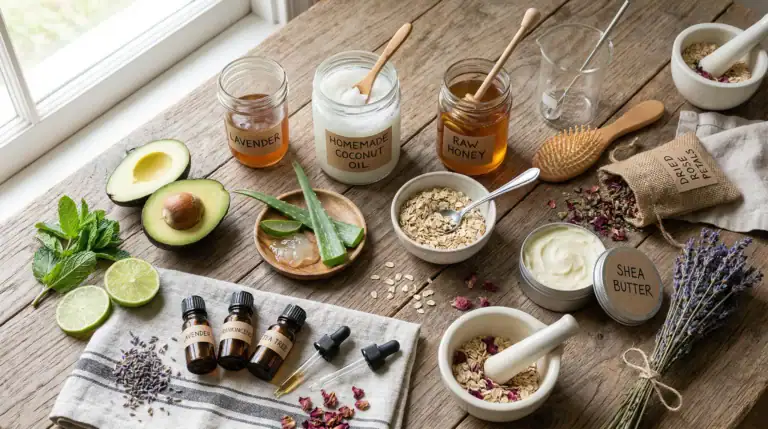
If you’re just starting out, I’d suggest focusing on gentle, ready-made essential oils (if suitable for your skin) or sticking with simple DIY blends using ingredients like aloe, honey, or oatmeal first. That way you can see how your skin responds before adding more active ingredients.
If you’d like, I can also suggest a simple beginner-friendly self-care routine using natural ingredients you likely already have at home.
I’ve actually never used jojoba oil before, but after reading your post, I’m really interested in trying it to see the results for myself. I like the idea of using something more natural as part of a skincare routine.
Do you think jojoba oil works well for acne-prone or sensitive skin, or is it better suited for certain skin types?
Thank you for your thoughtful question! Jojoba oil is actually one of the most versatile natural oils for skincare, which is why so many people enjoy using it.
One reason it works well for acne-prone and sensitive skin is that jojoba oil is very similar to the skin’s natural oils. Because of this, it tends to absorb well without feeling overly heavy or greasy, and many people find it helps balance moisture levels rather than clogging pores.
For sensitive skin, jojoba oil is often appreciated because it is gentle and soothing, especially when used in small amounts. It can help support the skin barrier and reduce dryness without causing too much irritation.
That said, everyone’s skin is different, so it’s always a good idea to patch test first and start slowly to see how your skin responds. Using a small amount a few times a week is a great way to begin.
I’m glad the post inspired you to explore more natural skincare options, and I hope you enjoy trying jojoba oil for yourself!
This was such a thoughtful and calming read. I love how you approached skincare as a ritual of care rather than a quick fix. The focus on gentle, organic ingredients and tuning into what your skin actually needs makes the whole routine feel supportive instead of overwhelming.
Your step‑by‑step breakdown of cleansing, exfoliating, and nourishing was especially helpful. It’s refreshing to see acne care framed in a way that doesn’t shame the skin but works with it. The emphasis on consistency, patch testing, and understanding your skin’s signals shows such a balanced, realistic approach.
I also appreciated how you highlighted the emotional side of skincare — how slowing down, being intentional, and choosing natural ingredients can become a grounding part of the day.
Overall, this is a beautiful guide for anyone wanting a more mindful, organic routine that supports both skin health and overall well‑being.
Thank you so much for your incredibly thoughtful and encouraging feedback. I truly appreciate the time you took to share this.
I’m especially glad the idea of skincare as a gentle ritual of care resonated with you. That mindset is such an important part of building a healthy relationship with skincare, especially when dealing with concerns like acne or sensitivity. Supporting the skin with patience, consistency, and understanding often creates much more sustainable results than chasing quick fixes.
It also means a lot that you noticed the focus on mindfulness and emotional well-being alongside the practical skincare steps. Slowing down, listening to what the skin needs, and creating simple intentional routines can make skincare feel much more calming and supportive overall.
Thank you again for your kind words and thoughtful insights. Comments like this truly mean a lot and encourage me to continue creating balanced, realistic, and approachable skincare content.
Hi there,
I liked how your article focused on creating organic skincare rituals instead of just pushing expensive products. A lot of people are becoming more careful about ingredients now, especially with how common skin irritation and breakouts seem to be from heavily fragranced products.
The part about consistency stood out to me because glowing skin usually comes more from long-term habits than quick fixes. Have you found that certain natural ingredients work noticeably better for acne-prone skin than others over time, or is it mostly about finding the right routine for each individual skin type?
Do you think DIY organic skincare can realistically replace most store-bought products, or are there some products where professionally formulated versions still work better?
Regards,
BRoman
Thank you so much for your thoughtful comment—I really appreciate the way you’re approaching skincare from a long-term, realistic perspective.
You’re absolutely right that consistency and gentle routines tend to matter far more than quick fixes when it comes to skin health. With acne-prone skin in particular, some natural ingredients do tend to be more commonly helpful over time—things like aloe vera (for soothing), honey (for its gentle antibacterial and humectant properties), green tea (for calming and antioxidant support), and oatmeal (for barrier support and reducing irritation). That said, even these ingredients can behave differently depending on the individual, so it’s often a combination of ingredient choice and routine consistency that makes the biggest difference.
Regarding your second question, DIY organic skincare can be very effective for simple, supportive routines like cleansing masks, soothing treatments, or hydration support. However, there are definitely areas where professionally formulated products still tend to perform better—especially when it comes to things like sunscreens, stable vitamin C serums, retinoids, or anything requiring precise preservation systems and long-term stability.
So in practice, many people find the best approach is a balanced one: using DIY skincare for gentle, nourishing care while relying on professionally formulated products for more active or technically complex treatments.
I really appreciate your thoughtful questions—they show a very grounded and informed perspective on skincare!
Hi There
This is something I would genuinely love to try. My skin is not in bad shape but there is something really appealing about switching to a more natural approach — it just feels cleaner and kinder to your skin overall.
I am a big believer in daily self care rituals too. It is one of those things that seems small but makes such a difference to how you feel about yourself throughout the day.
Thank you for sharing this — it has sparked my curiosity! I do want to ask though — do you make your own essential oils at home or do you source them from somewhere specific? I think knowing where the ingredients come from makes a big difference when it comes to quality and results.
Kindest Regards
Elke
Thank you so much for your beautiful and thoughtful comment, Elke—I truly appreciate it!
I completely understand what you mean about the appeal of a more natural approach to skincare. For many people, it’s not just about the ingredients themselves, but also the feeling of slowing down, being intentional, and turning skincare into a calming self-care ritual rather than simply another task in the day.
I also agree that quality and sourcing make a huge difference, especially with essential oils. Personally, I usually recommend sourcing essential oils from reputable suppliers that provide purity testing, proper botanical names, and transparent ingredient information. That helps ensure the oils are safe, high quality, and less likely to contain fillers or synthetic additives.
While some people do make infused oils or herbal preparations at home, true essential oil extraction is actually quite a specialized process and requires proper equipment to do safely and effectively. For most DIY skincare routines, carefully sourced oils from trusted suppliers tend to be the safest and most practical option.
Thank you again for your kind words and thoughtful question it means a lot that the article sparked your curiosity!
It seems organic is the best way to go when it comes to curing all sorts of ailments, including acne. I think most people try to cure acne with drying products as they think the oiliness needs to be dried when this is not the case. Gentle cleansing and care is still required, but it is not about drying up the skin. And as you say moisturize as otherwise your skin will get dry. Are there any products you wound not recommend using for oily or acne prone skin?
Thank you for your thoughtful comment! You’re absolutely right that overly harsh, drying products can sometimes make oily or acne-prone skin worse by disrupting the skin barrier and triggering more oil production.
For acne-prone skin, I’d usually avoid harsh alcohol-based toners, abrasive scrubs, and heavily fragranced products. Overusing strong exfoliants can also irritate the skin instead of helping it.
In most cases, gentle cleansing, lightweight hydration, and consistency tend to work much better long term than trying to “dry out” the skin completely.
Hi there,
I really enjoyed this article because it made organic skincare feel simple, gentle, and realistic instead of overwhelming. I especially liked how you explained that glowing, acne-free skin is not just about using natural ingredients, but also about building a consistent ritual and paying attention to what your skin actually needs each day.
The part about using jojoba oil, rosehip oil, aloe, hydrosols, and diluted tea tree oil stood out to me because so many people with acne-prone skin are afraid of oils. Your explanation made it clear that the right noncomedogenic oils can actually support balance instead of clogging pores.
My question is: for someone who is just starting an organic skincare routine and has oily or acne-prone skin, which one step would you recommend they begin with first — switching to a gentle cleanser, adding jojoba oil, using aloe vera, or starting with a weekly mask?
I think a lot of beginners would love to try a natural routine but may feel unsure where to start without irritating their skin.
Thank you for your thoughtful comment!
For oily or acne-prone skin, I’d suggest starting with a gentle cleanser first. That builds a stable base without irritating the skin.
Next, you can add something soothing like aloe vera, and later introduce jojoba oil if your skin needs extra balance.
I’d save weekly masks for last, once your skin has adjusted.
Thanks again for your great question!