
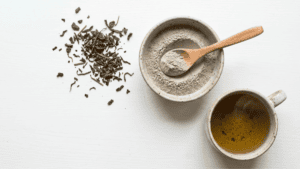
Looking for a natural way to deep clean your pores? Making a green tea bentonite clay mask at home is one of the most effective ways to detoxify your skin without using harsh chemicals. In this guide, I’ll show you how to combine these two powerful ingredients to achieve a professional, spa-like glow while keeping your skin calm and hydrated.
Green tea and bentonite clay make a super refreshing combo if you’re searching for a natural, affordable, detoxifying face mask. I really enjoy how this mask pulls out impurities and leaves my skin soft and clean. Whether you’re prepping for a self-care night or looking for a way to unclog your pores, this mask formula is definitely worth a try.
Learning how to mix green tea and bentonite clay the right way gives you a ton of flexibility; you can whip up a mask for any skin type by making just a few simple tweaks. But there’s a knack for mixing clay masks that makes a real difference for your skin, and there are some super important basics you should know to get the most out of this at-home treatment. That includes how to pick the best clay, why it’s crucial to skip metal bowls or spoons, and how to work the mask into your skincare line-up so you get radiant, happy skin—not irritation or dryness.
Why Green Tea and Bentonite Clay Work Well for Skin Detox
Bentonite clay, which is made from aged volcanic ash, has earned its reputation for soaking up oil and dirt right from your pores. It works much like a magnet, grabbing on to debris and even some toxins lingering on the skin’s surface. In my experience, it’s especially awesome if you have oily or combination skin—but with a couple swaps, it can suit almost anyone.
Green tea, on the other hand, brings in a bunch of benefits, too. It’s loaded with antioxidants, mainly EGCG, that calm and protect your skin. Green tea also boasts anti-inflammatory effects, which means it helps ease redness and soothes irritation during your mask session.
This tag team—gentle detox from the tea and grabbing power from the clay—gets you a mask that clears out extra oil and helps unclog pores, all without drying you out. That balanced effect is hard to find in just one product, which is why so many people love mixing these at home.
Why You Should Never Use Metal Tools With Bentonite Clay
Bentonite clay has a negative charge and that’s what lets it grab onto impurities on your skin that are positively charged, like some toxins and heavy metals. If you mix bentonite clay using metal tools—spoons, bowls, spatulas—it can react with the metal and lose some of its charge. That makes it less effective on your skin.
That’s why I always pick plastic, glass, ceramic, or wooden tools when making up a clay mask. Silicone spatulas also work and they’re easy to rinse clean. It’s a tiny detail, but it keeps your mask powerful and your DIY routine on point.
Step-by-Step Guide: Mixing Green Tea and Bentonite Clay for a Face Mask
What You’ll Need:
- 1–2 teaspoons bentonite clay powder
- 1–2 teaspoons brewed, cooled green tea (organic is best)
- Plastic, glass, or ceramic bowl and a mixing tool
- Optional: 2–3 drops tea tree oil, or a teaspoon honey, for added perks
How to Brew the Green Tea:
- Brew a cup of green tea using hot, not boiling, water. Let it steep 2–4 minutes for the best antioxidant hit.
- Allow the tea to cool entirely before mixing. It shouldn’t be warm when poured into the clay.
Mixing Instructions:
- Scoop 1–2 teaspoons bentonite clay into your nonmetal bowl.
- Gradually add 1–2 teaspoons cooled green tea, stirring as you go. Aim for a silky, spreadable paste—if needed, add a little extra tea until you get it just right.
- If you want extra skin perks, mix in a few drops tea tree oil (great if you get breakouts) or honey for extra moisture and soothing.
- Stir well until you have a smooth and lump-free texture.
Tips for Applying a Detoxifying Green Tea and Clay Mask
- Always wash your face first. Washing lifts off surface grime and oils so your mask can dig deeper and do its magic. Use a gentle cleanser that matches your skin type for best results.
- Apply a thin, even layer. You just need enough to cover, not cake on, the mask. Be gentle around sensitive spots like under your eyes, and never use on broken or raw skin.
- Leave it on for 10–15 minutes. Take it off before it feels dry or starts cracking; over-drying can irritate your skin. Once it’s matte and a bit firm, that’s your cue to rinse.
- Rinse off with lukewarm water, then pat dry. Use your fingers or a damp, soft cloth to remove all residue. Always follow up with a light moisturizer while your skin is still a bit damp to seal in hydration.
For the average person, using this mask once a week is plenty. If you have oily skin, using it twice a week can be okay; but if your skin is dry or sensitive, it’s better to use it less often and see how it feels each time.
Choosing the Right Clay for Sebaceous Filaments and Acne
Which Clay Mask is Best for Sebaceous Filaments?
If you’re bugged by sebaceous filaments (the small white dots, especially on your nose or chin), bentonite clay really comes in handy. Its strong absorption helps pull oil out of your pores, making filaments show up less—at least for a bit. Kaolin clay is another solid pick, as it’s a bit gentler but still tackles extra sebum easily. If you get annoyed by irritation, kaolin’s a good backup, but bentonite paired with soothing green tea is a safe bet for most people.
Will Bentonite Clay Help Cystic Acne?
Bentonite clay isn’t a cure for cystic acne, but it can definitely take the edge off. Its ability to soak up oil and calm surface redness can help active breakouts feel less severe. Pairing with green tea—known for its soothing and antioxidant benefits—makes this mask a real treat for stressed-out skin as part of a gentle routine. Still, if you’re dealing with deep, painful cysts under the skin, seeing a dermatologist will give you the best long-term answer.
Can Bentonite Clay Help with IBS?
Some wellness fans love bentonite clay for tummy issues and IBS (Irritable Bowel Syndrome), but using it as a face mask doesn’t tap into these effects. The way clay is used for IBS (taken internally) is completely different from skincare, and scientists are still figuring it out. If you want to try bentonite clay for digestive reasons, check in with your healthcare provider first. There are safer, proven ways to tackle IBS than using clay.
How to Build a Full Routine Around Your Face Mask
- Start with a clean face. Washing away grime helps the mask target your skin directly for better results.
- Apply your homemade mask as explained in the mixing steps above.
- After rinsing, finish with a gentle moisturizer. This keeps your skin comfortable and stops any post-mask tightness. If you’re feeling dry, a serum with hyaluronic acid works great right after masking.
Don’t exfoliate or scrub your skin before masking. Clay already handles oil and surface debris—using scrubs the same day can leave your skin irritated or damage your skin barrier.
Common Questions and Troubleshooting for Clay Masks
Can I substitute matcha for green tea?
Absolutely! Matcha is powdered green tea, and it blends into the mask just fine for the same antioxidant benefits. Stir in about 1/4 teaspoon matcha powder into your cooled water or tea before mixing with the clay.
What if the mask irritates my skin?
If you feel a sting or burn, rinse off right away. Try using more green tea or add a teaspoon yogurt next time to mellow it out. Always patch test any new mask mix on your jawline or behind your ear before applying everywhere, just to play it safe.
How do I store leftovers?
Clay masks work best freshly mixed, but you can store your leftovers in a nonmetal airtight container in the fridge for up to 48 hours. Stir before using again, since the clay may settle.
Bringing Green Tea and Bentonite Clay Masks into Your Self-Care Routine
Making your own natural face masks is a relaxed, affordable way to pamper yourself and keep your skin happy at home. When you make your own mask, you know exactly what’s in it and can mix things up for your skin’s mood. Green tea and bentonite clay team up to deliver a mask that’s both powerful and calming, bringing that fresh-face feeling without harsh ingredients or additives you might find in typical store-bought detox masks.
Simple Action Plan:
- Collect your nonmetal tools, some organic green tea, and bentonite clay.
- Brew the tea, let it cool, and mix your mask following the guide above.
- Use once a week as a detox boost, or anytime you want to treat your skin.
Final Thoughts on Natural Detoxifying Taking control of your skincare routine doesn’t have to be expensive or complicated. By using simple ingredients like green tea and bentonite clay, you are giving your skin a fresh start without the hidden chemicals found in store-bought products.Giving this mask a go for the first time?I’d love to hear about your favoritetweaks or how it made your skin feel. Drop a comment below!
About The Author


Wow I didn’t know that green tea and Bentonite clay could be mixed together to make a detoxifying mask. It does make sense though. Thanks for the tip on using wooden tools to make up the mixture. I would not have thought of that.
I just wondered is this mask ok to use on dry skin, or is it better just for oily or problematic skins?
Here’s a thoughtful response you could use:
Thank you so much for your comment! I’m glad you found the green tea and bentonite clay combination interesting. They work really well together because green tea helps soothe and provide antioxidants, while bentonite clay helps draw out excess oil and impurities from the skin.
And yes, using wooden or non-metal tools is important with bentonite clay because metal can sometimes interfere with the clay’s natural properties.
For dry skin, this mask can still be used, but with a few adjustments. I would recommend:
1 Using it less often, about once every 1–2 weeks
2 Not letting the mask dry completely on the skin
3 Adding a hydrating ingredient like honey, aloe vera, or yogurt to make it gentler and more moisturizing
People with oily or acne-prone skin usually tolerate clay masks more frequently, but dry skin can still benefit when the formula is balanced properly and used gently.
Thank you again for your thoughtful question!
This is a very informative guide that does an excellent job explaining both the benefits and proper use of green tea with bentonite clay for skincare. I especially appreciate your focus on technique, such as avoiding metal tools, preventing over-drying, and adjusting frequency based on skin type, because those details are essential for safe results. The combination of bentonite clay for oil absorption and green tea for soothing antioxidant support makes this a smart option for many people looking for a gentle detox mask. Content like this is valuable because it promotes practical, affordable skincare while encouraging readers to listen to their skin and use DIY treatments responsibly.
Thank you so much for your thoughtful and detailed feedback—I truly appreciate it!
I’m really glad you found the guide informative and practical. The small details you mentioned, like avoiding metal tools, preventing over-drying, and adjusting usage based on skin type, can make a big difference in both safety and results, so I’m happy they stood out to you.
You’re absolutely right about the balance between bentonite clay and green tea. That combination works well because it brings together gentle detoxifying properties with soothing antioxidant support, making it more balanced than using clay alone.
It means a lot to know you see value in promoting simple, affordable skincare while still encouraging people to listen to their skin and use DIY treatments responsibly. That’s exactly the goal.
Thank you again for taking the time to share such a thoughtful perspective!
I love seeing bentonite clay and green tea used together like this. As a soap maker, I actually add both green tea and clays to my shaving soaps. The clay is excellent at helping the blade glide. Your explanation about avoiding metal bowls with bentonite clay is also really helpful since a lot of beginners don’t realize that. I have also made mask using bentonite clay as well. What type of skin do you find this works best with?
Thank you so much for your thoughtful comment! It’s always wonderful hearing from someone with hands-on experience using natural ingredients in soap making and skincare formulations.
Your shaving soaps sound fantastic, especially with the combination of green tea and clay. Bentonite clay really does provide that smooth slip that works beautifully for shaving products, while green tea adds a soothing and antioxidant-rich element that many people enjoy.
I’m also glad the tip about avoiding metal bowls was helpful. It’s one of those small but important details that beginners often overlook when working with bentonite clay.
In my experience, bentonite clay masks tend to work especially well for oily, combination, and congestion-prone skin because of the clay’s ability to absorb excess oil and help draw impurities from the skin. When paired with green tea, the formula often feels more balanced and less harsh because green tea provides a calming, antioxidant-rich effect.
For dry or sensitive skin, I usually recommend using bentonite clay more gently and less frequently, often combined with hydrating ingredients like honey, aloe vera, yogurt, or oatmeal to help prevent over-drying.
It sounds like you already have wonderful experience experimenting with these ingredients yourself. Thank you again for sharing your insights and soap-making experience!
Hello,
I really liked this article because it reminded me of how easy it is to overcomplicate skincare sometimes. A simple green tea and bentonite clay mask honestly sounds like one of those old school DIY style treatments that people keep coming back to because it actually works. I’ve always heard green tea is amazing for calming redness and irritation, and bentonite clay seems to be one of those ingredients that people swear by for oily skin and clogged pores.
What stood out to me most was the balance between cleansing and soothing. A lot of clay masks leave my skin feeling way too tight afterward, especially living in Arizona where the air is already dry enough lol. I think that’s why I’d probably be careful not to overuse something like this even though the glow afterward sounds really tempting. The article made it sound refreshing instead of harsh, which I appreciated. I also thought it was interesting how many people online still love clay masks after all these years, especially bentonite ones. Some people seem completely obsessed with the deep-clean feeling while others say it can be too drying depending on their skin type. Honestly skincare is so personal that one person’s “holy grail” ends up being another person’s nightmare ????
Do you think masks like this work better as a weekly treatment instead of part of a regular routine? And have you noticed green tea helping more with redness and calming skin, or more with acne/oil control? I’d honestly love to know because people seem to use it for completely different reasons.
Thanks,
Angela M 🙂
Thank you so much for such a thoughtful and honest comment I really appreciated reading your perspective!
You made such a great point about how easy it is to overcomplicate skincare today. Sometimes the simplest combinations really do stay popular because they consistently work well for many people over time. Green tea and bentonite clay are definitely one of those classic pairings where the ingredients balance each other nicely instead of feeling overly aggressive.
And yes, I completely understand what you mean about clay masks feeling too tight, especially in a dry climate like Arizona. That “over-cleansed” feeling can actually leave the skin more irritated or dehydrated if the mask is used too often or left on too long. That’s why I usually recommend not letting bentonite clay dry completely hard on the skin and following with hydration afterward.
I also agree with you that skincare is incredibly personal. One person’s holy grail really can be another person’s irritation trigger, which is why gentle experimentation and paying attention to your own skin’s response matters so much more than trends.
To answer your question, I personally think masks like this work best as a weekly or occasional treatment rather than a daily routine step, especially for dry or sensitive skin types. Once a week is often enough to get the refreshing, clarifying benefits without risking over-drying the skin barrier.
As for green tea, I’ve generally noticed it helping more with calming redness, irritation, and overall skin balance rather than acting as a strong acne treatment on its own. That said, because it has antioxidant and soothing properties, some people also notice improvements in oiliness or breakouts when inflammation is reduced. So in many ways, it works more as a balancing and calming ingredient that indirectly supports clearer-looking skin over time.
Thank you again for such a thoughtful and engaging comment it added so much depth to the conversation!
Green Tea And Bentonite Clay For Detoxifying Face Mask is a very interesting and helpful article. It amazes me how the simple use of green tea and bentonite clay for provide facial benefits we all need.
I will be trying and sharng your easy and simple step-by-step guide for using green tea and bentonite clay for detoxifying face masks. My mom will want to try this for her extra dry skin, and I just happen to have extra dry skin as well that I presume I received from my mother.
You have written a complete guide on using green tea and bentonite clay for facial skin care.
Jeff
Thank you so much for your thoughtful and encouraging comment! I’m really glad you found the guide helpful and easy to follow.
It truly is amazing how simple ingredients like green tea and bentonite clay can work together to support the skin in such a gentle and natural way. Green tea helps provide soothing antioxidant support, while bentonite clay is well known for helping absorb excess oil and impurities from the skin.
Since you and your mom both have extra dry skin, I would just recommend using the mask a little more gently by not letting it dry completely hard on the face. You can also mix in ingredients like honey, aloe vera, or yogurt to help add extra moisture and make the mask feel more nourishing and comfortable for dry skin types.
I’m so happy to hear you’ll be trying and sharing the guide with others. Thank you again for your kind support and for taking the time to leave such a thoughtful comment!
I believe this is a very detailed and easy-to-follow guide. I have tried green tea a few times, although not regularly, and I have often heard about its health benefits and how it may support weight management. I also think many people skip important instructions in DIY tutorials, which may be why they do not always get the best results. I did not know that proper hydration and aftercare were important parts of getting the detoxifying benefits from a clay mask, so that section was very informative.
Two questions though: Would this type of mask still be suitable during colder seasons when skin becomes drier? and how long did it take before you personally noticed visible improvements in your skin?
Thank you for your comment!
Yes, this mask can be used in colder months, but less often and with extra hydration afterward since skin is drier in winter.
Results are usually gradual some people notice a fresher, calmer look after a few uses, but more visible changes typically take a few weeks of consistent use.
Thanks again!