


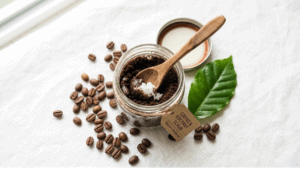
Using coffee grounds and coconut oil as a natural skin exfoliant is one of those simple home remedies that’s actually backed by both tradition and a bit of science. Swapping storebought scrubs for this homemade blend is a really affordable and ecofriendly way to boost your skin’s glow without loading up on synthetic ingredients or microplastics.
If you’re after smoother, softer skin (and want to reduce your beauty routine’s environmental impact), this guide has you covered. I’m sharing my favorite method for making and applying a coffee and coconut oil scrub, how it works, who should try it, and how to fit it into your skincare routine. Stick around for tips on the benefits, variations, and some troubleshooting advice if you’re new to this DIY trend.
The Benefits of Coffee Grounds and Coconut Oil for Skin
Both coffee and coconut oil bring pretty impressive natural perks when it comes to exfoliating. They work great together, and here’s why you might want them in your routine.
Coffee Grounds: Gentle Exfoliation + Skin Boost
- Physical exfoliant: Coffee grounds are naturally gritty, which helps remove dead skin cells and smooth out rough patches.
- Caffeine: Caffeine can boost circulation and help reduce puffiness. This is why a lot of eye creams use it as a star ingredient.
- Antioxidants: Coffee is rich in antioxidants, which may help protect skin from environmental stress.
Coconut Oil: Deep Hydration and Barrier Support
- Moisturizing: Coconut oil is loaded with fatty acids that hydrate and soften skin.
- Barrier support: This oil helps strengthen your skin’s natural moisture barrier, keeping out irritants and locking in hydration.
- Soothing: Coldpressed, unrefined coconut oil also has a reputation for calming dry, irritated skin.
Together, these ingredients not only slough away dead skin cells for instant smoothness, but also give a boost to hydration and leave your skin feeling fresh and nourished. Plus, making your own scrub lets you mix and match with other natural addins if you like—think a pinch of cinnamon, a drizzle of honey, or even a few drops of essential oil for scent.
How to Make and Use a Coffee and Coconut Oil Scrub
This exfoliant is super easy to whip up; no fancy equipment or rare ingredients required. The key is to get the balance right between exfoliation and moisture. Here’s my goto recipe and application method, plus a few customization ideas to make it perfect for your needs.
What You Need
- 2 parts coffee grounds (fresh or used)
- 1 part coconut oil (unrefined and coldpressed for best results)
- Mixing bowl and spoon
- Jar or container with a lid (for storage)
Optional extras for a personal twist include a teaspoon of honey for more moisture, a sprinkle of cinnamon for scent, or a few drops of tea tree oil if you want extra antibacterial benefits. This flexibility is why homemade scrubs are a fan favorite!
Mixing Instructions
- Start with dry coffee grounds: If using used grounds, spread them out and let them air-dry to prevent mold.
- Soften the coconut oil: If your coconut oil is solid, warm it slightly so it’s just melted or soft enough to stir easily.
- Mix: Combine coffee grounds and coconut oil in a bowl using a 2:1 ratio. Stir until you get an even, gritty paste. You can experiment with the texture; if you want something less oily, add more coffee grounds. For extra moisture, add more coconut oil.
- Transfer: Spoon the mixture into your clean jar or container. Seal the lid tightly to keep out moisture and air.
Making small batches ensures the scrub stays fresh and effective. You may also want to label your container with the date so you can keep track of freshness.
How to Apply
- Dampen your skin: Step into the shower and get your skin wet before using the scrub. This makes the application smoother and helps prevent irritation.
- Scoop and rub: Take a small handful of scrub and massage it onto your skin in gentle, circular motions. Don’t press too hard; let the coffee do its thing.
- Target rough spots: Focus on areas that tend to be rough or dry, such as elbows, knees, legs, and arms. For facial use, be extra gentle and test on a small area first.
- Wait a minute: Let the blend sit on your skin for a minute or two if you want a little extra hydration from the coconut oil.
- Rinse thoroughly: Wash off the scrub with warm water, making sure no grounds stick to your skin or shower.
- Pat dry: Gently towel off, and enjoy that silky smooth feeling!
After exfoliating, you can follow up with your favorite moisturizer or body oil to lock in hydration for even better results.
How Often and Who Should Use This Scrub?
Not all skin types react the same way to physical exfoliation, so here are a few tips to help you figure out if this DIY scrub is right for your routine.
- Normal to Oily Skin: Coffee and coconut oil are a pretty safe bet, and once or twice a week is usually great.
- Dry or Sensitive Skin: Stick to once a week, use super gentle pressure, and do a patch test before slathering it everywhere.
- AcneProne Skin: Physical scrubs can be irritating if you have active breakouts, so either skip or test carefully on a small area.
Overexfoliating can leave your skin dry or more sensitive, so don’t go overboard. One to two times per week is usually enough for most people, but if your skin gets red or irritated, back off to every other week or consult a dermatologist if you have ongoing skin concerns. Remember, consistency matters more than frequency.
Sustainability and Ecofriendly Perks
Making your own natural exfoliant at home with coffee grounds and coconut oil is not just good for your skin—it’s also a win for the planet. Here’s how.
- Less Plastic: Storebought scrubs usually come in plastic containers and often include plasticbased microbeads. Using kitchen staples cuts down on packaging waste.
- Reduces Food Waste: Repurposing coffee grounds, especially used ones that would be tossed out, is a simple way to make your coffee habit a little more sustainable.
- Free of Synthetic Additives: You control exactly what’s in your scrub, skipping chemical preservatives and fragrances that aren’t always skinfriendly or ecofriendly.
- Budget Friendly: This DIY approach costs just pennies per use and lets you recycle what you’d otherwise throw away. Add your own natural scents or mix in a drop of essential oil for a special touch without the premium price tag of boutique products.
Choosing DIY over commercial products sets a great example for friends and family and helps reduce your household’s overall footprint, so you can feel good about what goes down the drain and what stays on your skin.
FAQ: Common Questions About Coffee & Coconut Oil Scrubs
Does a coffee and coconut oil scrub actually help reduce the appearance of cellulite?
Using coffee scrubs can temporarily make skin look smoother. The caffeine may help boost blood flow and reduce water retention, so dimples appear less pronounced for a few hours. This isn’t a permanent fix, but it’s a nice bonus as part of a regular skincare routine.
Is it safe to use this specific scrub on the face, or is it better for the body?
Coffee grounds can be a bit too rough for delicate facial skin, especially if you’re sensitive or acneprone. If you use it on your face, use a super gentle touch and test first. This DIY scrub usually works better on the body; legs, arms, and feet especially love it.
How many times per week should I exfoliate with coffee grounds?
One to two times per week is usually plenty. Exfoliating more often can irritate your skin or strip away moisture, so less is better if you’re unsure.
Can I use leftover, used coffee grounds, or do they need to be fresh?
Used grounds are actually great for scrubs; just make sure they’re dry before mixing. Wet grounds can grow mold quickly, so let them dry out on a plate or paper towel first.
What are the best storage methods and how long does the DIY scrub stay fresh?
Store your scrub in a sealed jar in a cool, dry spot. For best freshness, use it within 2–3 weeks, especially if you used dry coffee grounds. If it smells weird or the texture changes, it’s time to toss and make a fresh batch.
Will using coffee grounds in the shower cause plumbing or drain issues?
Small amounts are usually fine, but over time, coffee grounds might build up in your pipes. Rinse thoroughly and try to prevent large clumps from washing down the drain. You can put a drain catcher in your shower as an extra precaution.
How long should I leave the scrub on my skin before rinsing it off?
A minute or two is usually enough for the coconut oil to hydrate and the coffee to work its magic. Leaving it on longer won’t add more benefit and could be messier to clean up.
What is the best ratio of coffee grounds to coconut oil for the perfect consistency?
Two parts coffee grounds to one part coconut oil gives you a gritty, spreadable scrub. If you prefer something less oily, try a little less coconut oil and add more as you go.
Give It a Try. Glow Sustainably
Making a homemade coffee and coconut oil scrub is a quick, fun way to add natural exfoliation to your selfcare routine without spending a ton or hurting the planet. Experiment with the recipe and find a schedule that feels good for your skin. If you try it, I’d love to hear how it worked for you—feel free to share your tweaks or results below! And remember, a little goes a long way. Your skin, your wallet, and our planet will all thank you for the ecofriendly effort.
If you enjoyed this, check out my post on How To Brighten Skin Naturally
Disclaimer: The information in this post is for educational purposes only and is not intended as medical advice. Always perform a patch test before trying a new skincare DIY, and consult with a dermatologist if you have sensitive skin or specific skin conditions.
About The Author


This is a well-rounded and practical guide that explains both the skincare benefits and sustainability value of using coffee grounds with coconut oil. I like how you balanced enthusiasm for DIY remedies with realistic advice on skin types, frequency, patch testing, and avoiding over-exfoliation. The inclusion of storage tips and plumbing cautions also adds credibility and makes the article genuinely useful for beginners. A thoughtful resource for anyone looking to simplify their routine with affordable, natural skincare options.
Thank you so much for your thoughtful and detailed feedback I truly appreciate it!
I’m really glad you found the guide practical, balanced, and beginner-friendly. Coffee grounds and coconut oil can be such a simple yet effective combination when used carefully, so it was important to also include realistic guidance around skin types, patch testing, and avoiding over-exfoliation.
I’m especially happy you noticed the storage and plumbing tips as well. Those small practical details are often overlooked in DIY skincare guides, but they can make a big difference in helping people use these remedies safely and responsibly.
It means a lot to know you see value in encouraging affordable, natural skincare while still promoting a mindful and informed approach. Thank you again for taking the time to share such thoughtful feedback!
This coffee scrub looks awesome, but just as well I read the entire post, or I would have also used it on my face. I like the fact that it can reduce the appearance of cellulite, so this should be a great summer scrub.
Also thanks for the plumbing tips. I would hate to cause blocked plumbing because of this scrub.
Thank you so much for your comment I’m really glad you read through the full guide carefully!
Coffee scrubs can feel amazing on the body and are especially popular for helping the skin feel smoother, softer, and more refreshed. Many people also enjoy them as part of their summer body-care routine because of the invigorating exfoliation effect.
And yes, the plumbing tips are definitely important! Coffee grounds can build up in drains over time, so disposing of the scrub properly really helps avoid unwanted plumbing issues later on.
I’m glad the article helped clarify how to use the scrub safely and effectively. Thank you again for sharing your thoughts!
I really enjoyed this because I make a coffee soap myself and people absolutely love it for the gentle exfoliation and fresh coffee smell. I’ve found coffee works especially well for rough hands and dry skin, especially when paired with moisturizing oils like coconut oil. Your point about not over-exfoliating is really important too because a lot of people think more scrubbing is better. Have you ever tried adding a little brown sugar or cocoa butter to your coffee scrub recipes?
Thank you so much for your thoughtful comment! It’s always wonderful hearing from someone who already works with coffee-based skincare products and understands how effective simple natural ingredients can be.
Your coffee soap sounds amazing, especially for rough hands and dry skin. Coffee really does provide a nice level of gentle exfoliation, and when combined with nourishing oils like coconut oil, it can leave the skin feeling both smoother and moisturized rather than stripped.
And yes, I completely agree about over-exfoliation. A lot of people assume more scrubbing automatically means better results, but in reality, too much exfoliation can easily disrupt the skin barrier and lead to irritation or dryness.
I have experimented with both brown sugar and cocoa butter in coffee scrub recipes before, and they can work beautifully depending on the skin type and texture you’re aiming for. Brown sugar tends to provide a softer, gentler exfoliation compared to coarse coffee grounds alone, while cocoa butter adds a richer, more nourishing feel that works especially well for very dry skin or colder seasons.
I really appreciate you sharing your experience and insights—it adds so much value to the conversation!
I’ve actually used coffee grounds and coconut oil as a natural exfoliator before, and it works surprisingly well! The coffee grounds help remove dead skin and leave my skin feeling smoother, while the coconut oil keeps it soft and moisturized afterward. I also like that it’s an easy DIY option since most people already have these ingredients at home. Natural skincare remedies like this can be such a simple and affordable way to care for your skin. Have you tried adding any other natural ingredients to your skincare routine?
Thank you so much for sharing your experience! Coffee grounds and coconut oil really can make such a simple yet effective combination for natural exfoliation and moisture support.
You described it perfectly the coffee grounds help smooth away dead skin cells while the coconut oil helps soften and nourish the skin afterward, which is why so many people enjoy this type of DIY scrub. I also love that it’s affordable and easy to make with ingredients many people already have at home.
There are definitely other natural ingredients that can work beautifully alongside a simple skincare routine as well. Honey is one of my favorites because it helps attract moisture and leaves the skin feeling soft and balanced. Aloe vera is another wonderful option for soothing and hydration, especially for sensitive or irritated skin. Oatmeal is also excellent for calming the skin barrier and adding gentle exfoliation without being too harsh.
The key is usually keeping things simple and paying attention to how your skin responds over time rather than using too many ingredients at once.
Thank you again for sharing your thoughts and experience it’s always great hearing how natural skincare works for different people!
This sounds like a very good and practical article because it explains step-by-step how to exfoliate naturally without overdoing it. I like that the guide focuses on natural and affordable ingredients instead of expensive skincare products. The idea of reusing coffee grounds was also interesting because many people do not think about reducing waste in skincare routines. I usually hear more about coffee being used as a drink than as part of a skincare routine, so this gave me a different perspective. I may have to try something like this one day.
Thank you so much for your thoughtful comment!
I’m really glad you found the step-by-step approach helpful and appreciated the focus on simple, affordable, and more sustainable skincare. Reusing coffee grounds is definitely one of those small ideas that can reduce waste while still being useful in a routine.
You’re right coffee is usually thought of as a drink first, so it often surprises people that it can also be used in DIY skincare in a gentle exfoliating way when used carefully.
Thanks again for your kind feedback, and I hope you enjoy trying it!
This was a really interesting read because I love simple DIY ideas that use ingredients many people already have at home. I also appreciated that you included the sustainability aspect because so many people are looking for ways to reduce waste while simplifying their routines. The tips about drying used coffee grounds and limiting use for sensitive skin were especially helpful. Have you ever experimented with adding other ingredients like honey or essential oils? If so, which combinations worked best for you?
Thank you so much for your thoughtful comment! I’m really glad you enjoyed the focus on simple, sustainable skincare and using ingredients that are easy to find at home.
Yes, I’ve experimented with a few additions over time. Honey is one of my favorites because it adds extra moisture and helps leave the skin feeling soft after exfoliating. I’ve also tried small amounts of lavender essential oil for a calming feel, but I always recommend using essential oils very carefully and in low amounts, especially for sensitive skin.
One combination I’ve personally liked is coffee grounds, coconut oil, and a little honey for a gentler, more nourishing scrub. Keeping the recipe simple usually works best and helps avoid irritation from using too many ingredients at once.
Thanks again for your thoughtful questions and kind feedback!
This was such a beautifully detailed and genuinely helpful guide. I love how you explained not just how to exfoliate naturally, but why coffee grounds and coconut oil work so well together. The breakdown of physical exfoliation, antioxidants, and barrier support made everything feel so clear and approachable.
I also appreciated the realistic advice about skin types and frequency. So many exfoliation articles push daily scrubbing, which can be so harsh, but your reminders about gentleness, patch‑testing, and listening to your skin were spot on. The eco‑friendly angle was a lovely bonus — it’s refreshing to see skincare tips that support both healthy skin and a healthier planet.
Thank you so much for your thoughtful comment! I’m really glad you appreciated the focus on gentle exfoliation, realistic skincare advice, and the balance between effectiveness and skin barrier care.
I also love that you mentioned the eco-friendly aspect using simple, natural ingredients in a mindful way can benefit both the skin and the environment.
Thanks again for your kind feedback!
-I think this post suggests a great way to kind of “reset” the skin every now and then with something homemade: coffee grounds w/coconut oil.
-I feel like the coffee grounds themselves MIGHT not actually clog the drain, given their normal tendency to “dissolve” in boiling water, as we’re regularly used to; but the combination with coconut oil leaves me intrigued in how it might operate as a homemade exfoliator and/or such.
-If I may make such a comparison at this time; it actually reminds me of PUMICE: micro-rocks of soap used in mechanical hand cleaner (hand soap for mechanics.)
-Let me know if I have the right idea,
-ALEJANDRO G.
Thank you for your comment! You’ve got the right idea coffee grounds provide gentle physical exfoliation, much like pumice, while coconut oil helps moisturize the skin.
One thing to watch out for is the drain. Coffee grounds and coconut oil can build up in pipes over time, so it’s best to wipe excess scrub off with a paper towel before rinsing.
Thanks for sharing your comparison it’s a great way to explain how the scrub works!