



There’s nothing quite like the confidence boost of glowy, healthy skin. The secret isn’t expensive creams or a long routine. Year-round radiance is really about gentle habits, simple kitchen staples, and a little patience, not anything you’ll find in a fancy bottle.
From battling winter dryness to handling summer shine, keeping that “lit-from-within” look all year can feel like a puzzle. I’ve had my share of flaky winter cheeks and sticky summer breakouts and learned a lot about keeping things balanced with natural strategies. If you’re set on letting your skin do its thing and genuinely glow, check out this practical roadmap—especially if you want it to last through all four seasons.
Step 1: Know Your Glow. What Does Your Skin Actually Need?
Skip the guesswork and tune in to what your skin is actually asking for. Everyone’s skin is different, and it changes with the seasons, hormones, and even stress.
- Check for dryness or tightness: Your skin might crave more moisture in cold weather.
- Notice excess oil or dullness: Warmer months often call for lighter hydration and more cleansing.
- Seasonal allergies or breakouts? Sometimes your skin just reacts to what’s in the air.
Paying attention to these changes lets you tweak your routine rather than getting stuck in one-size-fits-all advice. Keep a small journal tracking how your skin feels after different routines, foods, or weather. Over time, those patterns help you spot what actually helps you glow—so you don’t waste time or money on stuff you don’t need.
Step 2: Cleanse Kindly. Keep It Simple and Gentle
A good cleanse is where the magic starts, but it doesn’t have to mean harsh soaps or aggressive scrubbing. Gentleness is key for lasting radiance.
DIY Cleansers Worth Trying:
- Oatmeal paste:Ground oats mixed with water soothe and gently clear away grime. Oats clean without stripping moisture, so they’re great for all skin types.
- Honey: Raw honey is packed with enzymes and serves as a gentle antibacterial face wash, especially helpful for dry or acneprone skin.
- Yogurt: Full fat plain yogurt cleanses with natural lactic acid, lightly dissolving old skin cells for a brightening boost.
If you’re cleansing twice a day, try to not overload on soap. Sometimes, just using lukewarm water is enough in the morning, especially if your skin is feeling sensitive or dry.
Also, always remove makeup gently—micellar water or pure oil (like jojoba) can make this easy.
Step 3: Moisturize Like You Mean It. Layer Light, Natural Hydration
Moisturizing is about locking in the good stuff and keeping the bad elements like pollution out. No need to pay up for luxury creams to keep your skin feeling soft.
- Botanical oils: Sweet almond
- Sweet almond oil and jojoba oil work well year round. They absorb quickly without clogging pores. A few drops on damp skin after cleansing does the trick for most people.
- Shea butter: Known for soothing irritation and deeply moisturizing, it’s especially useful in colder months or if you have dry patches.
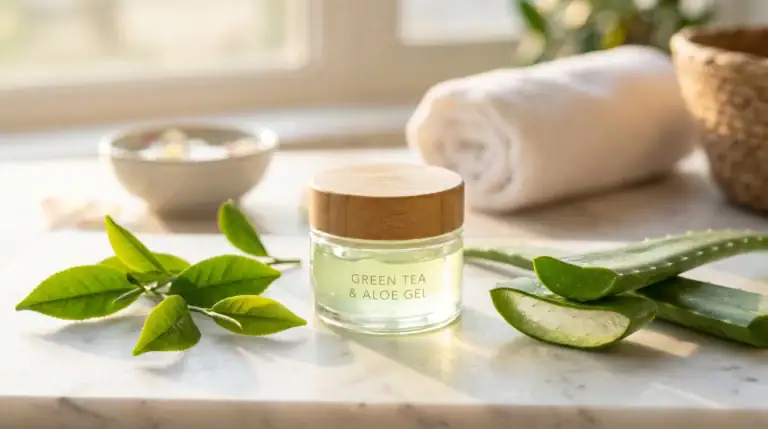
- Aloe vera: Aloe is extra soothing for sunexposed or windblown skin and works well with sensitive faces.
Quick Moisture Layering Tip:
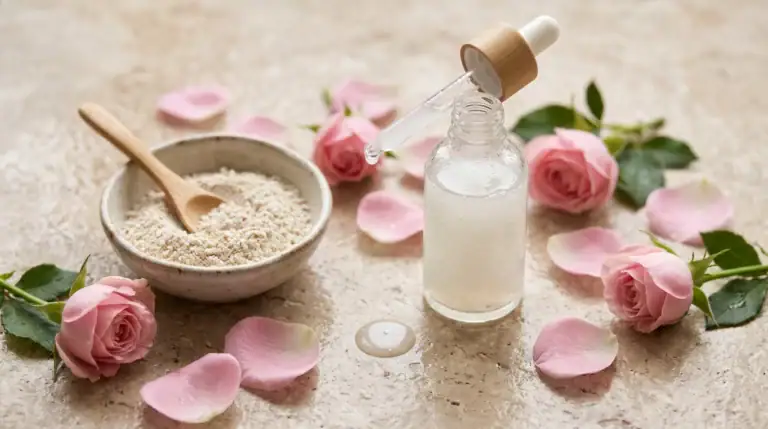
- Start with a hydrating mist (rosewater or green tea are both solid options).
- Apply a few drops of oil or a bean-sized amount of shea butter while skin is still slightly damp. This trick keeps moisture in for a natural, dewy finish.
If you enjoy DIY, make a simple toner by brewing green tea and chilling it. Spray it on before your moisturizer for a refreshing lift. Remember to use a clean towel when patting your face dry. This prevents bacteria from causing unnecessary breakouts.
Step 4: Exfoliate. But Gently (And Less Often Than You Think)
Dead skin cells can linger on the surface and dull your glow. The key is to remove them without leaving your face red or irritated. Exfoliating about once a week is plenty for most skin types, though you might tweak the frequency to match your skin’s needs.
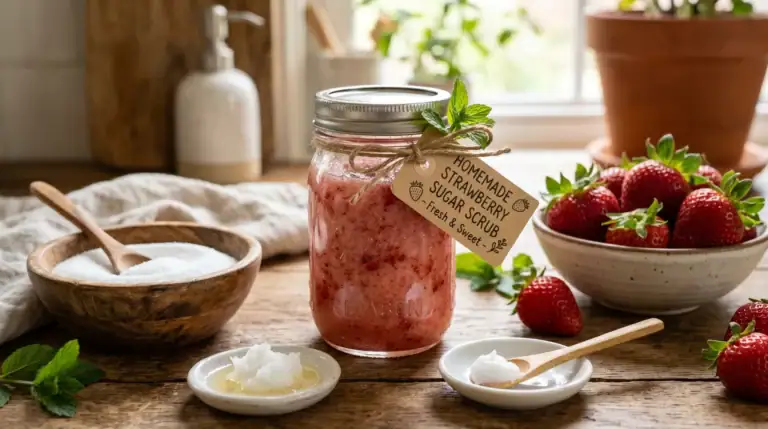
- DIY Oat scrub: Mix oats with a spoonful of plain yogurt and honey. Gently massage onto skin, let it sit for a minute, and rinse with lukewarm water.
- Baking soda myth busting: Some swear by baking soda scrubs, but they often disrupt your skin’s pH and cause irritation. Oats and yogurt offer a safer, gentler way.
- Lactic acid in yogurt: This ingredient gently helps “melt” away dead cells, brightening your complexion without drama.
Always avoid overdoing it. If your skin feels raw or stings after exfoliating, pull back the frequency for at least a week.
Step 5: Feed Your Face. Glowing Skin Starts in Your Kitchen
Your skin loves what your body loves—real food, healthy fats, and plenty of fluids. The right diet can give your complexion a real boost.
- Drink water regularly: Sipping small amounts throughout the day keeps your skin plump and supports cell repair.
- Add more omega3s: Foods like walnuts, flaxseed, and chia help skin stay smooth and less prone to inflammation.
- Load up on antioxidants: Colorful berries, oranges, and leafy greens help fight free radicals that can zap radiance.
- Green tea for the win: Sipping it or using it as a cool toner offers a soothing, anti-inflammatory boost. Bonus points for swapping sugary drinks for herbal teas throughout the year.
- Mind your sugar and processed food: Eating too many sweets and packaged snacks can trigger more oil and breakouts. Focus on whole foods—your skin will thank you.
Don’t forget probiotics, either! Yogurt or fermented foods help keep your gut happy, which can reflect in clearer, brighter skin.
Step 6: Keep Calm. Lifestyle Habits For A Lit-From-Within Look
Stress, late nights, and too much time on your phone or laptop can zap your glow even faster than any pimple patch fixes it.
- Respect your sleep: Most skin repair happens at night, so skipping sleep is when dullness, breakouts, and undereye shadows appear most often.
- Relax muscles, relax skin: Facial massage or a few deep breaths can boost circulation, which brightens your skin. Try gently pressing along your jaw and brow bones with clean fingers for an easy stress reliever.
- Limit screen time before bed: Looking at your phone late at night can keep you awake and compromise sleep, so set a cutoff an hour before bed when you can.
- Spend time outdoors: A breath of fresh air, a little sunshine, and gentle movement like walking give your skin a natural lift and help keep stress in check.
Common Myths Worth Busting:
- “Drink gallons of water for glow.” Hydration helps, but your skin shines when you mix moisture outside with healthy fats and nutrients inside.
- “You need expensive serums.” Most essentials are probably already in your pantry or garden.
- “Exfoliate every day.” Daily scrubbing usually backfires, causing redness and possibly more oiliness instead of radiance.
Pro-Tip: My Simple Glowyskin Ritual
- In the morning, rinse your face with cool water and gently pat it dry.
- Spritz on green tea or rosewater, then lightly pat in a few drops of jojoba or sweet almond oil.
- Once a week, mix a spoonful of yogurt, oats, and honey into a mask. Leave on for 10-15 minutes, rinse with lukewarm water, then moisturize as usual.
- Snack on colorful veggies and nuts, trade soda for water, and aim for 7-8 hours of sleep most nights.
- If you’re outside often, don’t forget sun protection—wear a hat or use mineral sunscreen. Nature is great, but balance is key for happy skin.
Achieving a year-round glow doesn’t have to be complicated or expensive. By sticking to these simple, budget-friendly habits and leaning on nature’s pantry, your skin will stay radiant and healthy no matter the season.
Want a deeper clean? Learn How To Exfoliate Skin Naturally Using Coffee Grounds →
What’s your favorite kitchen staple for your skincare routine? Drop a comment below and let’s swap recipes!
About The Author


Thanks for this helpful advice. I was under the impression that one had to exfoliate more as one got older, but you recommend that once a week is enough so I will stick with that.
I am going to try your advice of using shea butter to seal the skin and keep moisture in, as my skin tends to get very dry, especially at this time of the year.
Thank you so much for your thoughtful comment! A lot of people assume they need to exfoliate more as their skin matures, but in many cases gentler and less frequent exfoliation actually works better, especially when the skin becomes drier or more sensitive with age.
Once a week is often enough to help remove dead skin cells and keep the skin feeling smooth without damaging the skin barrier or causing extra dryness.
And yes, shea butter can be wonderful for helping seal in moisture, particularly during colder or drier seasons. Applying it after hydration especially on slightly damp skin can really help lock moisture in and support a softer, more comfortable skin barrier over time.
I hope the shea butter works beautifully for your skin, and thank you again for sharing your experience!
I really enjoyed this. I make natural soap and skincare products myself, and honestly some of the best skincare ingredients are the simple ones like honey, oats, and aloe. I also agree that people often overdo exfoliation and harsh products instead of keeping things gentle and consistent. Honey has probably become my favorite kitchen skincare ingredient over the years. Have you found certain natural ingredients work better in winter versus summer skincare routines?
Thank you so much for your thoughtful comment! It’s always wonderful hearing from someone who also works with natural soap and skincare products.
I completely agree with you that some of the most effective skincare ingredients are often the simplest ones. Honey, oats, and aloe vera have remained popular for so long because they tend to be gentle, versatile, and supportive of the skin barrier without overwhelming the skin.
And yes, over-exfoliation is something I think many people struggle with, especially with so many strong products and trends constantly circulating online. In many cases, consistency and a gentler routine really do give better long-term results than constantly using harsh treatments.
Honey is such a fantastic ingredient as well. Its natural humectant properties make it especially helpful for maintaining moisture and supporting softer, calmer skin.
To answer your question, I do think certain ingredients work better depending on the season. In winter, richer and more protective ingredients like honey, shea butter, avocado oil, oatmeal, and aloe vera tend to work beautifully because the skin often needs extra moisture and barrier support.
In summer, many people prefer lighter and more soothing ingredients like cucumber, green tea, rose water, aloe vera, or jojoba oil since they feel more refreshing and less heavy on the skin.
I really appreciate you sharing your experience and perspective—thank you again for such a thoughtful contribution to the conversation!
Such a thoughtful and detailed guide to natural skincare! I really like how you focused on simple ingredients and on listening to what your skin actually needs, rather than pushing expensive products. The reminder that skin changes with seasons and stress was especially helpful. I also loved the green tea toner idea, it sounds so refreshing! What are your suggestions for keeping aging skin strong and glowing?
This was a really refreshing read because it focuses on realistic, natural skincare habits instead of pushing expensive products or overly complicated routines. I especially liked the emphasis on listening to your skin and adjusting your routine based on the season rather than following a strict one-size-fits-all approach. The sections about gentle cleansing and avoiding over-exfoliation were also very helpful since so many people accidentally damage their skin barrier trying to fix their skin too quickly. Overall, this was a practical and encouraging guide.
Thank you for your thoughtful comment! I’m so glad you appreciated the focus on gentle, realistic skincare instead of overly complicated routines. Listening to your skin, adjusting with the seasons, and avoiding over-exfoliation can make such a big difference for long-term skin health. I truly appreciate your kind feedback!
You’re right about people overdoing exfoliation. I made that mistake before and ended up with dry, irritated skin because I thought scrubbing more would fix everything faster. Keeping a simple routine with gentle cleansing and lighter natural products has worked much better for me, especially during winter. I also agree that stress and lack of sleep can really affect your skin even if you use good skincare products every day.
Thank you for sharing your experience! You’re definitely not alone many people assume that more exfoliation will lead to faster results, only to find that it leaves their skin dry and irritated.
It’s great to hear that a simpler routine with gentle cleansing and lighter products has worked better for you. You also make an excellent point about stress and sleep. Even the best skincare routine can only do so much if our body isn’t getting the rest and balance it needs.
This is a wonderfully balanced and practical approach to natural skincare that emphasizes consistency, simplicity, and understanding your skin’s changing needs throughout the year. I appreciate how you focus on gentle, accessible ingredients and realistic habits rather than promoting complicated or expensive routines. The combination of skincare, nutrition, hydration, and lifestyle advice creates a holistic perspective that feels both sustainable and achievable for everyday readers. Your myth-busting sections and seasonal insights also add strong educational value while keeping the tone approachable and encouraging.
Thank you so much for your thoughtful and encouraging comment! I’m really glad the article felt balanced, practical, and approachable.
You captured the main goal perfectly healthy skincare is usually more about consistency, gentle habits, and understanding your skin’s changing needs than following overly complicated routines or trends. I also appreciate you mentioning the focus on nutrition, hydration, and lifestyle, because skincare often works best when viewed more holistically.
Thank you again for your kind words and for taking the time to share such a thoughtful perspective!
Yes. The glow of one’s skin is often an indicator of their internal health. Diet and nutrition play a big role, too. What you eat (and avoid eating) play a big role. I am a huge fan of turmeric with black pepper as an antioxidant. For my drinking water, I have used a distiller and add Concentrace mineral drops afterwards. Been doing this for 30+ years. Most folks I meet think I look 20+ years younger.
Cheers to beautiful skin, a clear mind and healthy insides!
Thank you for sharing your experience! I completely agree that healthy skin often reflects overall wellness.
A balanced diet, good hydration, and consistent skincare all work together. It’s great to hear you’ve found a routine that works so well for you over the years.
Cheers to healthy skin, a clear mind, and overall well-being!
Great article, Susan. I liked how you emphasized consistency rather than looking for a quick fix. The seasonal skincare adjustments were especially helpful since many people use the same routine all year and wonder why their skin starts acting up.
One thing I’ve discovered recently is just how important vitamin D3 is for overall skin health. I used to focus only on skincare products, but paying attention to vitamin D levels made me realize that healthy skin really does start from within. It’s something I don’t see discussed often enough.
I’m curious, have you noticed whether nutrition or skincare products make the bigger difference when it comes to maintaining a natural glow throughout the year? Thanks for sharing these practical tips!
Thank you for your thoughtful comment! You make a great point about vitamin D3 healthy skin really does start from within.
In my experience, both nutrition and skincare matter, but a balanced diet provides the foundation, while a consistent skincare routine helps protect and support the skin from the outside.
Thanks again for sharing your insight!